
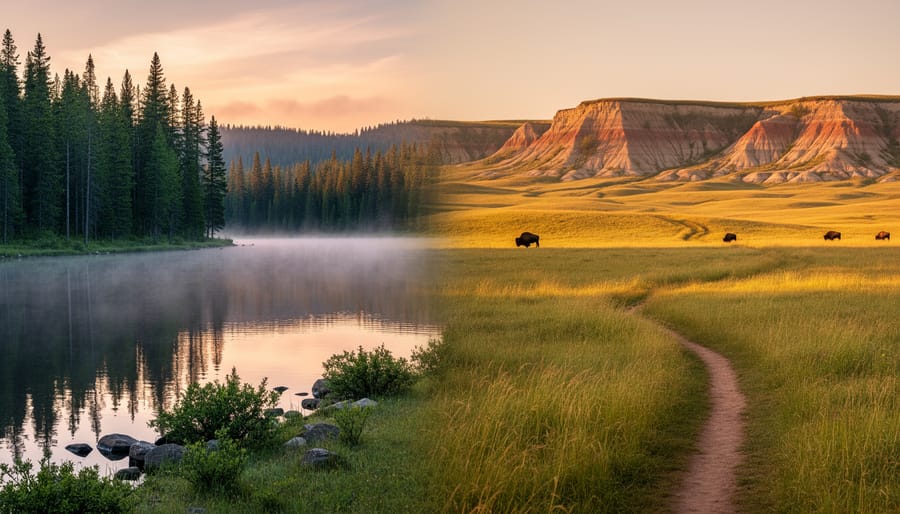

Saskatchewan is home to two spectacular national parks: Prince Albert National Park in the heart of the province’s boreal wilderness and Grasslands National Park in the southwestern prairie badlands. Together, they protect over 1,200 square kilometers of Canada’s most distinctive landscapes, from pristine lakes and towering forests to sweeping grasslands where bison once roamed by the millions.
For Saskatoon residents, these parks offer accessible escapes into environments you won’t find anywhere else in the province. Prince Albert National Park sits just 200 kilometers north, a comfortable day trip or weekend adventure through mixed forests and waterways that have hosted everyone from Grey Owl to modern-day paddlers seeking solitude. Grasslands National Park, though further south at roughly 400 kilometers, rewards the journey with dark-sky stargazing, rare wildlife encounters, and hiking trails that cut through valleys shaped by centuries of wind and water.
Both parks now participate in the Canada Strong Pass program, offering free admission and 25% off camping from June 19 to September 7, 2026, making this summer an ideal time to plan your visit. Whether you’re looking to paddle backcountry routes, photograph black-tailed prairie dogs, or simply trade city noise for the sound of wind through grass, Saskatchewan’s national parks deliver experiences worth the drive.
Why Visit Saskatchewan’s National Parks
Saskatchewan’s two national parks deliver experiences you won’t find anywhere else in the province, and they’re closer than you think. Prince Albert National Park sits roughly 2.5 to 3 hours north of Saskatoon in central Saskatchewan, while Grasslands National Park lies about 5 to 6 hours south. Together, they showcase the dramatic range of Saskatchewan’s landscapes: dense boreal forest with interconnected lakes in the north, and windswept prairie grasslands with striking badlands topography in the south.
Wildlife enthusiasts can spot bison, elk, black bears, and wolves at Prince Albert, or observe black-tailed prairie dog colonies and free-roaming bison herds at Grasslands. Both parks hold deep connections to Indigenous history with Prince Albert featuring Grey Owl’s cabin and both locations honoring the traditional territories and cultural significance celebrated during events like Indigenous Peoples Day. Grasslands earned designation as a dark sky preserve, offering stargazing that rivals anywhere in Canada. Whether you’re after a quick camping trip, backcountry solitude, or a chance to experience ecosystems that define the prairies and the north, these parks serve as accessible nature escapes that complement Saskatoon’s urban amenities with genuine wilderness.
Top Saskatchewan National Parks to Explore
1. Prince Albert National Park
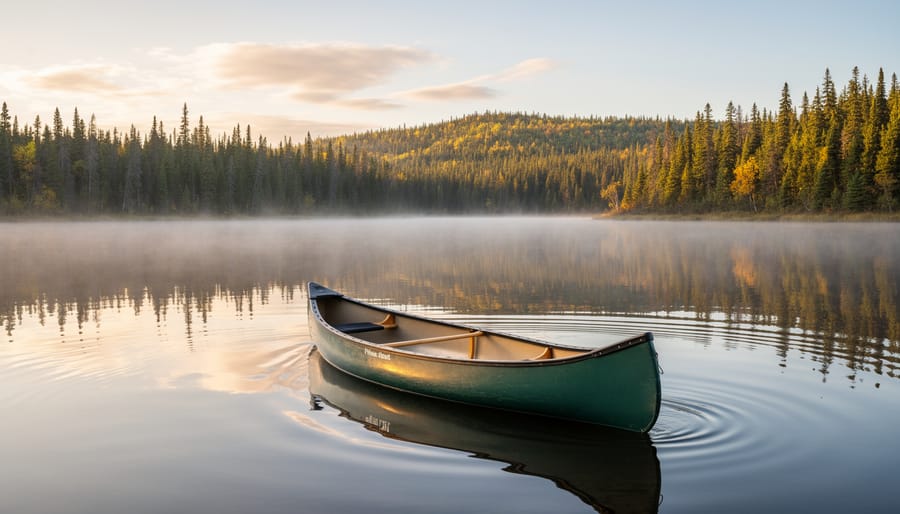
Prince Albert National Park sits just 2.5 to 3 hours north of Saskatoon, making it the most accessible national park for a weekend escape or extended getaway. Spanning nearly 4,000 square kilometers of central Saskatchewan’s boreal forest, the park protects a transition zone where prairie grasslands meet dense evergreen forest, creating habitat for an impressive array of wildlife and diverse recreational opportunities.
The park’s landscape centers on a network of pristine lakes, with Waskesiu Lake anchoring the developed visitor area. Grey Owl’s cabin on Ajawaan Lake draws history enthusiasts willing to make the 20-kilometer round-trip hike or canoe journey to the remote site where the famous conservationist lived and wrote in the 1930s. The cabin remains preserved much as he left it, offering a tangible connection to Saskatchewan’s conservation heritage.
Wildlife viewing ranks among the park’s biggest draws. You’ll find one of Canada’s few free-roaming plains bison herds here, along with elk, black bears, wolves, and more than 200 bird species. The Narrows Peninsula provides excellent opportunities for spotting waterfowl and shorebirds, while early morning or dusk drives along park roads often yield elk sightings in meadows near the forest edge.
- Treebeard Trail and Boundary Bog Trail for accessible boardwalk hikes through unique ecosystems
- Kingsmere Lake for multi-day canoe routes and backcountry camping
- Waskesiu townsite beaches for swimming, kayaking, and stand-up paddleboarding
- Grey Owl’s cabin as a destination hike or paddle for history buffs
Average travel times from Saskatoon hover around three hours via Highway 2 and Highway 264, though winter conditions can extend the journey. The park offers frontcountry camping at several developed campgrounds with electrical hookups and amenities, plus backcountry sites scattered throughout the wilderness for paddlers and hikers seeking solitude.
Summer brings full services and warm-weather activities, but shoulder seasons offer their own rewards. September delivers spectacular fall colors across the boreal forest, while winter transforms the park into a cross-country skiing destination with groomed trails and a quieter, snow-muffled atmosphere that showcases the northern forest at its most serene.
2. Grasslands National Park
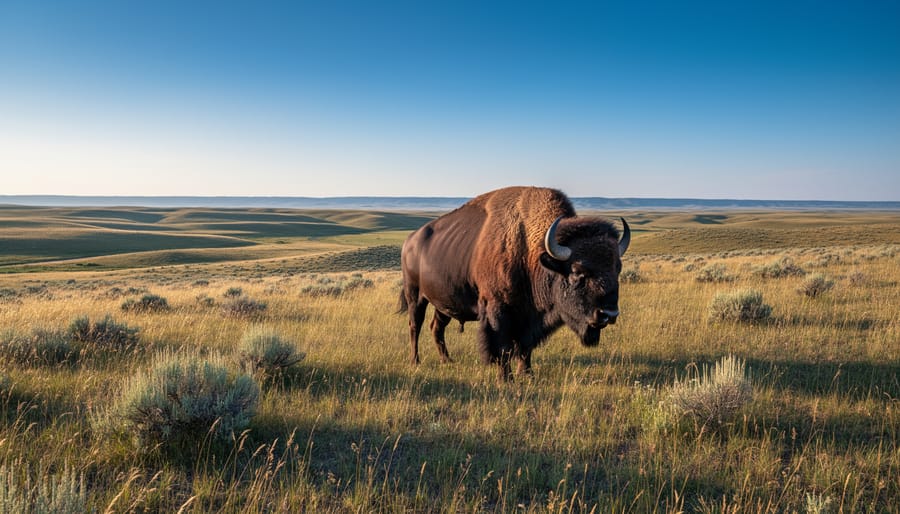
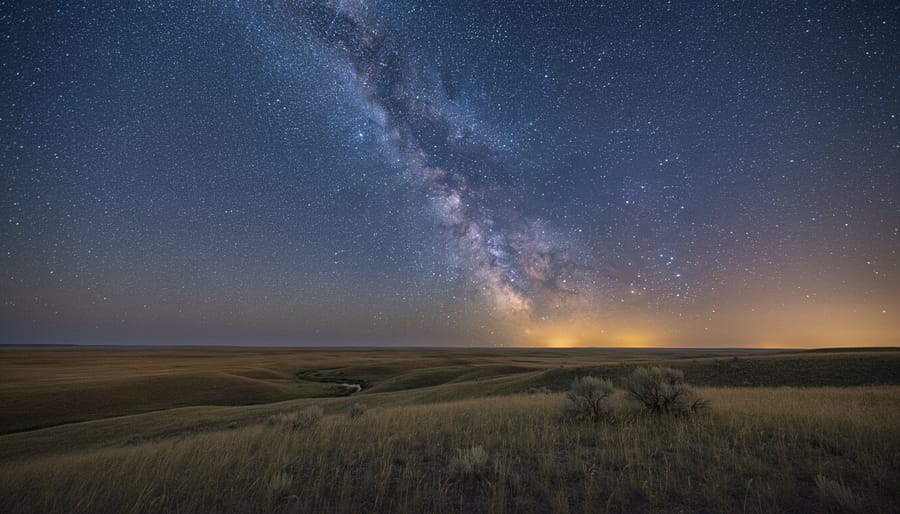
Grasslands National Park sits in the far southwest corner of Saskatchewan, roughly five to six hours south of Saskatoon along highways 4 and 18. This distance makes it a commitment, but the payoff is Saskatchewan’s most otherworldly landscape: a rolling ocean of native prairie grass punctuated by eroded badlands, coulees carved into soft sedimentary rock, and skies so dark at night you can see the Milky Way with your naked eye. Unlike the boreal forests of Prince Albert, Grasslands preserves one of North America’s last remaining tracts of mixed-grass prairie, an ecosystem that once covered much of the Great Plains but now exists in tiny fragments.
The park is split into two blocks, the West Block near Val Marie and the East Block near Wood Mountain, each offering distinct but equally dramatic scenery. Wildlife here thrives in the open grasslands: a free-roaming bison herd numbers around 500 animals, black-tailed prairie dogs bark from sprawling colonial towns, pronghorn antelope sprint across the flats at speeds exceeding 80 kilometres per hour, and golden eagles wheel overhead. If you’re patient and lucky, you might spot a burrowing owl, ferruginous hawk, or even a swift fox, one of Canada’s most endangered mammals reintroduced to the park after near-extinction.
Grasslands earned Dark Sky Preserve status for its exceptional stargazing conditions. On clear nights, the absence of light pollution reveals thousands of stars, planets, satellites, and the occasional meteor shower. Bring a blanket, lie on the prairie, and let your eyes adjust, it’s a humbling, almost surreal experience that city dwellers rarely encounter.
The park’s essential highlights include:
- Prairie dog towns in the East Block where hundreds of these social rodents pop up from burrows and chatter warnings
- The 70 Mile Butte viewpoint offering panoramic vistas across the badlands and into Montana
- The Ecotour Scenic Drive, a self-guided route winding through coulees and grasslands with interpretive stops
- Fossil beds preserving ancient marine life and dinosaur remains from when this region sat beneath an inland sea
- Tipi rings and vision quest sites reflecting the Lakota, Nakoda, and other Indigenous peoples’ enduring connection to this land
Backcountry camping is the norm here, there are no RV hookups or shower blocks. You’ll pitch your tent in designated primitive sites or practice true backcountry dispersed camping with a permit, carrying all your water and gear. The remoteness is the point: Grasslands rewards those willing to slow down, embrace solitude, and experience prairie wilderness as it existed for millennia. It’s a stark, beautiful contrast to anything else Saskatchewan offers.
Planning Your Visit: Practical Information
Reservations and Booking
Parks Canada operates a centralized reservation system for both Prince Albert and Grasslands National Parks, allowing you to book campsites, accommodations, select guided hikes, special events, and parking spaces across 40 Parks Canada destinations. Reservations for 2026 launched in January, giving visitors early access to secure their preferred dates for the busy summer season.
The system lets you search availability by park, date, and accommodation type, making it straightforward to compare options at both parks if you’re planning multiple trips from Saskatoon. You can reserve everything from frontcountry campsites with electrical hookups to backcountry camping permits, plus overnight stays in cabins, yurts, or oTENTik units where available. Booking well ahead is essential for peak summer weekends and holidays, particularly for waterfront sites at Prince Albert’s lakeside campgrounds. If your plans are flexible, mid-week dates and shoulder season periods typically offer better availability and a quieter park experience, much like timing your visit to the Saskatoon nightlife map venues on off-peak nights.
Passes and Fees
Visiting Saskatchewan’s national parks requires an entry pass, which you’ll purchase at park gates or online through the Parks Canada reservation system. Understanding the pass options and associated fees helps you budget for your trip and take advantage of available savings.
Parks Canada offers several pass types to suit different visitor needs. A daily entry pass covers admission for a single day and works well for short visits or day trips from Saskatoon. The annual Discovery Pass provides unlimited access to all Parks Canada locations for a full year, making it the smart choice if you plan multiple visits to Prince Albert, Grasslands, or other national parks across the country. Families and groups benefit from passes that cover everyone arriving in the same vehicle, while individual passes are available for those entering on foot or by bike.
| Pass Type | Validity Period | Coverage | Best For |
|---|---|---|---|
| Daily Entry | Single day | Vehicle admission to one park | One-time visitors, day trips |
| Discovery Pass (Annual) | 12 months | Unlimited entry to all Parks Canada sites | Frequent visitors, multiple park trips |
| Canada Strong Pass | June 19, September 7, 2026 | Free admission + 25% off camping/overnight stays | Summer 2026 travelers to eligible parks |
For summer 2026, the Canada Strong Pass delivers exceptional value at both Prince Albert and Grasslands National Parks. From June 19 to September 7, this pass provides free park admission and 25% off camping and overnight accommodation fees. The Canada Strong Pass benefits apply to both Saskatchewan national parks during this period, potentially saving you significant money if you’re planning extended stays or multiple camping nights.
Camping fees vary by site type and amenities. Frontcountry campgrounds with services like washrooms, potable water, and electrical hookups cost more than basic walk-in or backcountry sites. Backcountry camping at Grasslands requires a separate backcountry permit in addition to your entry pass. Reserve early for popular summer weekends, as campsite availability directly affects your total trip cost.
Getting There from Saskatoon
Prince Albert National Park sits roughly 240 kilometres north of Saskatoon, a drive of about 2.5 to 3 hours via Highway 11 and Highway 2. The route is straightforward and paved throughout, making it accessible for all vehicles year-round, though winter conditions demand caution with snow and ice on northern highways.
Grasslands National Park requires more commitment at approximately 430 kilometres south of Saskatoon, plan for 5 to 6 hours of driving. Take Highway 11 south through Regina, then continue on Highway 4 and Highway 18 into the park’s West Block near Val Marie. Summer gravel roads inside the park are manageable in a standard car, but spring mud and winter snow may require a vehicle with higher clearance or four-wheel drive.
Both parks have limited services once you arrive, so fuel up in Saskatoon and bring snacks. Check road reports through Saskatchewan’s Highway Hotline before departure, particularly in winter or during spring thaw when conditions shift quickly.
Best Times to Visit
Summer (June to early September) brings the full range of visitor services, warm weather for hiking and water activities, and the longest daylight hours. The Canada Strong Pass promotion runs from June 19 to September 7, 2026, offering free admission and camping discounts at both parks. This is peak season, so expect more visitors and book accommodations well in advance when reservations open in January. Prince Albert National Park’s lake system is ideal for canoeing and swimming, while Grasslands offers comfortable conditions for prairie exploration and stargazing after sunset.
Spring (late April to May) and fall (September to October) deliver quieter experiences with fewer crowds. Spring brings wildlife activity as animals emerge from winter, and migrating birds pass through both parks. Fall offers stunning foliage in Prince Albert’s boreal forest and crisp prairie air in Grasslands, with excellent conditions for photography and wildlife viewing as animals prepare for winter. Services may be limited during shoulder seasons, so check ahead.
Winter (November to March) transforms both parks into peaceful retreats. Prince Albert offers cross-country skiing and snowshoeing through snowy forests, while Grasslands provides dramatic winter prairie landscapes. You’ll encounter minimal crowds, though facilities are limited and you’ll need proper cold-weather gear. If you’re planning around Saskatoon events consider a winter park visit as a contrast to city activities.
Important Regulations
Before you head out, familiarize yourself with a few critical rules that keep Saskatchewan’s parks safe and accessible. At Prince Albert National Park, all watercraft must have a mandatory AIS watercraft certification permit before entering park waters, this helps prevent the spread of invasive species that threaten native ecosystems.
Wildlife safety protocols apply at both parks: store food in bear-proof containers or your vehicle, never approach animals (especially bison and bears), and maintain at least 100 meters from large wildlife. Camping regulations require you to stay only in designated sites, check in at visitor centers, and follow fire restrictions, which vary by season and current conditions. Practice Leave No Trace principles by packing out all trash, staying on marked trails, and respecting wildlife habitat. If you’re planning an extended trip and need where to stay in Saskatoon before or after your park visit, book accommodations in advance during summer months.
Local Tips for Saskatchewan National Park Visitors
Pack for Saskatchewan’s extremes: summers bring intense sun and biting mosquitoes, so bring high-SPF sunscreen, a wide-brimmed hat, and bug spray with DEET. Winters drop well below freezing, making layered clothing and insulated boots essential for any cold-weather park visit.
- Stock up on groceries and fuel in Saskatoon before heading out, services inside both parks are limited, and the nearest towns may have restricted hours or seasonal closures.
- For Prince Albert National Park, the town of Prince Albert (30 minutes from the park entrance) offers a final chance for supplies, dining, and last-minute gear from outdoor retailers.
- Book your campsite or accommodation the moment reservations open in January if you’re planning a summer trip, prime spots at Waskesiu Lake fill within hours.
- Visit Grasslands during a new moon for the best stargazing experience in Canada’s only dark sky preserve on the prairies.
- Arrive at trailheads and popular lake access points early in the morning during July and August to beat crowds and secure parking.
Download offline maps before you leave Saskatoon. Cell service is patchy or non-existent in large portions of both parks, particularly in Grasslands’ backcountry. Let someone know your itinerary and expected return time, especially if you’re venturing onto remote trails or camping in the backcountry.
Locals know that shoulder seasons, late May, early June, and September, offer the sweet spot of fewer visitors, cooler temperatures for hiking, and active wildlife without the peak summer heat. You’ll also skip the reservation frenzy and often find walk-up campsites available. Just confirm which facilities remain open, as some campgrounds and visitor centres scale back services outside July and August.
Top Areas and Local Picks
The Waskesiu townsite serves as the activity hub for Prince Albert National Park, offering beach access, marina facilities, and the trailhead network for day hikes. The main beach draws families throughout summer, while the lakefront provides launching points for canoe and kayak trips into the park’s backcountry lake chain. Nearby trails like the Kingsmere River and Boundary Bog boardwalk offer accessible wildlife viewing. The townsite includes restaurants, equipment rentals, and visitor services, making it the natural base for first-time park visitors.
This 20-kilometre return hike or canoe route leads to the historic cabin of conservationist Grey Owl on Ajawaan Lake. The trail takes hikers through mixed boreal forest with strong chances of spotting elk, deer, and various bird species. Many visitors choose the canoe approach, paddling through Kingsmere and Crean lakes before portaging to Ajawaan. The cabin itself remains a pilgrimage site for those interested in early Canadian conservation history and the park’s cultural heritage.
The East Block offers Grasslands’ most dramatic badlands topography and hosts the park’s black-tailed prairie dog colonies. The 70 Mile Butte provides panoramic prairie views after a moderate hike, while the Rock Creek campground serves as the backcountry staging area. This section receives less visitor traffic than the West Block, rewarding those who make the drive with solitude and excellent stargazing under the dark sky preserve. Bison roam freely here, so maintain proper wildlife distances.
Frequently Asked Questions
Visitors planning trips to Saskatchewan’s national parks from Saskatoon often have similar questions about logistics, requirements, and what to expect. Here are answers to the most common concerns.
How far are the parks from Saskatoon?
Prince Albert National Park is approximately 2.5 to 3 hours north of Saskatoon, making it the closer option for a weekend getaway. Grasslands National Park sits about 5 to 6 hours south, requiring more dedicated travel time but offering a completely different prairie landscape experience.
Do I need a 4×4 vehicle to visit?
A standard vehicle works fine for Prince Albert National Park and the main areas of Grasslands. However, some backcountry roads in Grasslands, particularly after rain, may require higher clearance or four-wheel drive.
Are the parks family-friendly?
Both parks welcome families and offer kid-appropriate activities like easy hiking trails, beach areas at Prince Albert’s Waskesiu Lake, and wildlife viewing. Grasslands provides unique experiences like spotting prairie dogs and exploring badlands formations that fascinate children.
Can I bring my dog?
Dogs are permitted in both parks but must remain on leash at all times. They’re not allowed on beaches or in backcountry areas, so plan accordingly if you’re bringing pets.
What wildlife might I see?
Prince Albert National Park hosts free-roaming bison, elk, black bears, wolves, and abundant birdlife. At Grasslands, you’ll find bison herds, black-tailed prairie dogs, pronghorn antelope, and occasionally golden eagles or rattlesnakes.
Are there services inside the parks?
Prince Albert has a full-service townsite at Waskesiu with restaurants, shops, and accommodation. Grasslands offers far fewer services, you’ll want to stock up on supplies before arriving, as the nearest towns are small and facilities within the park are limited.
Remember that all watercraft entering Prince Albert National Park waters require a mandatory aquatic invasive species certification permit, so arrange this before your visit if you’re planning water activities. For the 2026 season, reservations launch in January, giving you plenty of time to secure campsites or accommodations at either park.
Saskatchewan’s two national parks offer Saskatoon residents and visitors remarkably different windows into the province’s natural heritage, both within a day’s drive of the city. Prince Albert’s boreal forests and lake systems deliver a classic wilderness retreat just three hours north, while Grasslands’ sweeping prairie landscapes and star-filled skies provide an otherworldly experience worth the longer journey south. Together, they showcase the ecological diversity that makes Saskatchewan far more than flat farmland.
The key to a successful park visit is planning ahead. With the 2026 reservations launching in January and high-demand periods triggering queue systems, booking early gives you the best shot at your preferred dates and campsites. Whether you’re after a summer camping trip during the Canada Strong Pass period from June 19 to September 7 or a quieter shoulder-season escape, securing your spot matters.
These parks aren’t just weekend getaways, they’re fundamental to understanding Saskatchewan’s landscape and the region’s outdoor culture. Pack your sense of adventure, respect the regulations (especially that mandatory AIS permit for Prince Albert watercraft), and prepare to see your home province in a new light. The 2026 season promises accessible wilderness experiences that remind us why protecting these spaces matters.