

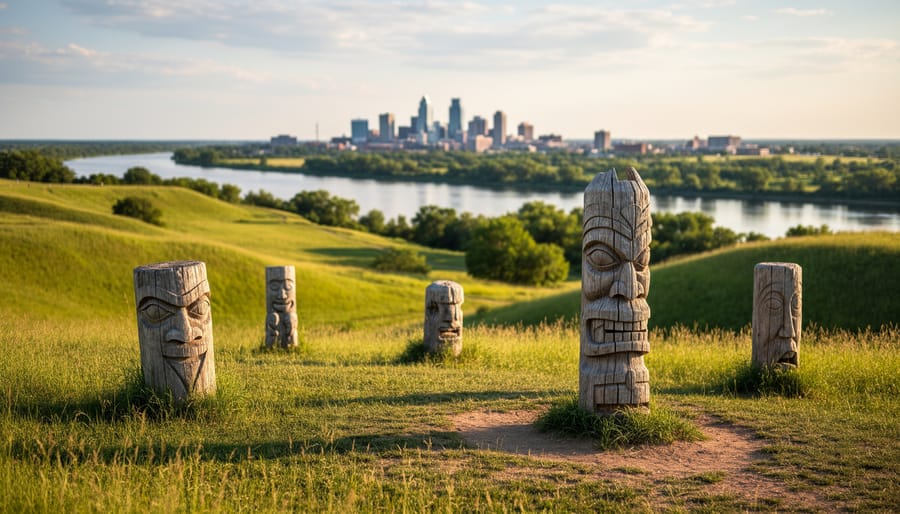

Saskatoon offers an exceptional mix of cultural landmarks, outdoor adventures, and seasonal events that transform the city into one of Saskatchewan’s most compelling destinations. Whether you’re drawn to ancient Indigenous heritage at Wanuskewin, open-air theatre along the South Saskatchewan River, or winter festivals that bring warmth to the coldest months, this Prairie city serves as your gateway to experiences that range from berry picking at DNA Gardens to exploring Métis history at Batoche National Historic Site.
From late June’s Outskirts Music Festival at SaskTel Centre Grounds to the mid-winter celebration of Winterruption SK running January 21-25, 2026, the calendar delivers year-round reasons to visit. Summer brings Shakespeare on the Saskatchewan performances of Hamlet from July 2 through August 25, while the Western Development Museum anchors your understanding of Prairie innovation any day of the year.
This guide highlights eight carefully selected destinations and events that balance cultural depth with outdoor recreation. You’ll find practical details on timing, locations, and what makes each experience worth the trip, plus planning tips to help you build an itinerary around your interests. Pike Lake Provincial Park offers quick nature escapes just minutes from downtown, while Wanuskewin Heritage Park connects you to 6,000 years of Northern Plains Indigenous culture.
How We Ranked These Day Trips
We selected these eight day trips using five key criteria to ensure you’d find experiences worth your time, no matter the season or your interests. Distance mattered, we focused on destinations within an hour or two of Saskatoon so you can make the trip without burning an entire day on the road. We also prioritized variety, balancing cultural landmarks with natural escapes, live entertainment with hands-on experiences, and summer festivals with winter celebrations.
- Proximity to Saskatoon (within 1-2 hours’ drive)
- Seasonal variety and year-round accessibility
- Cultural significance and authentic Saskatchewan character
- Appeal to both locals and visitors
- Diversity of experiences (heritage sites, outdoor recreation, performing arts, festivals)
We deliberately chose destinations that reflect the real character of the prairies, places where you’ll encounter genuine Métis history, traditional Indigenous culture, or the taste of saskatoon berries fresh from the bush. Some attractions shine in summer, others in winter, giving you options across the calendar. Whether you’re a longtime resident looking for something new or a visitor wanting to explore beyond downtown, this list offers depth and range instead of just the usual tourist stops.
1. Western Development Museum, Prairie Heritage and Innovation
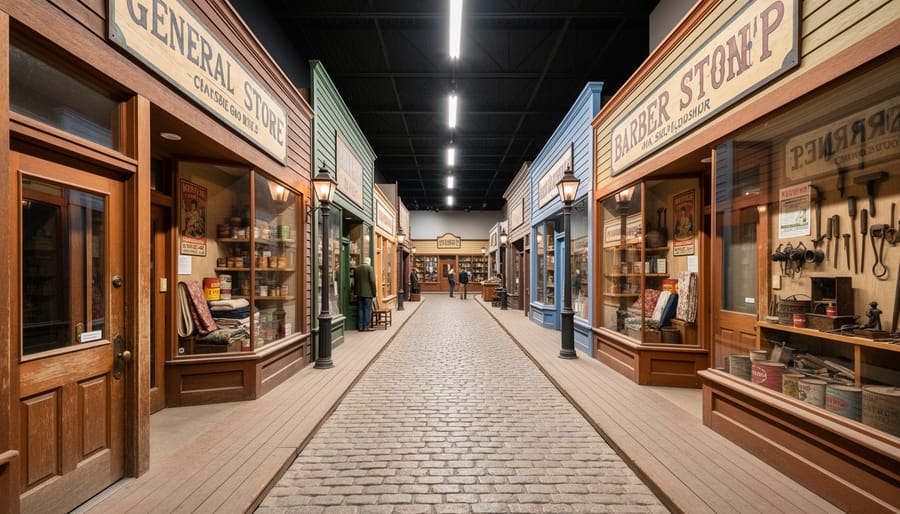
The Western Development Museum earns the top spot because it delivers maximum value with minimal travel time. Located right in Saskatoon at 2610 Lorne Avenue South, this provincially-run institution requires no highway driving, making it ideal for visitors short on time or families with young children who prefer a shorter outing.
Step inside and you’re transported to Boomtown 1910, a meticulously recreated prairie street complete with storefronts, a church, and period businesses that show what Saskatchewan looked like during the settlement boom. Kids gravitate toward the vintage cars, tractors, and steam engines that fill the transportation galleries, while adults appreciate the nuanced storytelling about homesteaders, Indigenous communities, and the railway’s transformative impact on the prairies.
What sets this museum apart is its accessibility. Unlike seasonal festivals or outdoor attractions that close when prairie winters hit, the Western Development Museum welcomes visitors year-round, making it a reliable option regardless of when you visit Saskatoon. The rotating exhibits ensure repeat visitors always find something new, and the indoor setting means weather never derails your plans.
Budget three to four hours to properly explore the galleries without rushing. The museum strikes a rare balance: engaging enough for history enthusiasts who want depth, yet interactive enough to hold the attention of elementary-aged children. For first-time Saskatoon visitors, it provides essential context about the region’s character before you venture to more specialized attractions.
2. DNA Gardens Saskatoon Festival, U-Pick Berry Experience

DNA Gardens, tucked into the prairie landscape near Saskatoon, offers one of the region’s most authentic agricultural experiences during summer berry season. This working farm opens its gates for the annual Saskatoon Festival, where visitors can handpick their own fruit from 19 different saskatoon varieties, a berry native to the prairies and beloved by locals for its sweet-tart flavour and deep purple hue.
Unlike more polished tourist attractions or ticketed events like a theatre festival DNA Gardens delivers an unpretentious, hands-on connection to Saskatchewan’s agricultural heritage. Families spread out among the rows with buckets in hand, kids learn where food actually comes from, and the gentle pace of berry picking becomes its own reward. The farm atmosphere is relaxed and welcoming, no reservations needed, just show up ready to get a little dirt on your shoes.
The festival’s ranking at number two reflects its seasonal exclusivity and distinctly prairie character. You won’t find saskatoon berries in most grocery stores outside the region, making this a genuinely local experience that visitors and transplants alike appreciate. Bring containers for your haul, wear sun protection, and plan for an hour or two of picking depending on how much fruit you want to take home for pies, jams, or freezing.
3. Shakespeare on the Saskatchewan, Open-Air Theatre
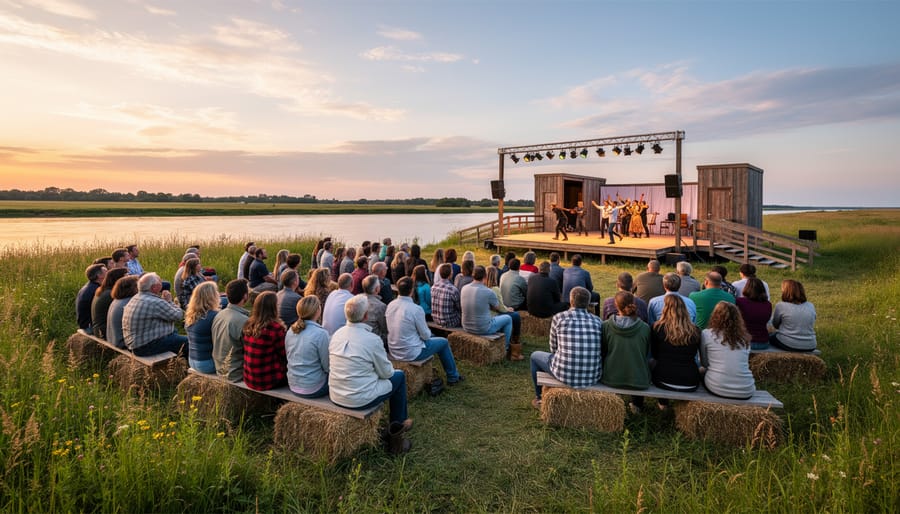
Every summer, the South Saskatchewan River valley transforms into one of Canada’s most enchanting theatre settings. Shakespeare on the Saskatchewan stages classic plays against a backdrop of prairie sunsets and flowing water, creating an atmosphere no indoor venue can match. This season’s production of Hamlet runs from July 2 to August 25, giving you nearly two months to experience the Bard under the stars.
What sets this apart from typical theatre outings is the ritual that surrounds the performance. Arrive early with a picnic basket, spread a blanket on the grass, and watch the light fade over the river while you share wine and cheese. By the time the actors take the stage, you’re already immersed in the experience. The outdoor setting adds texture to every production, a sudden breeze during a dramatic monologue, cricket sounds punctuating a quiet moment, the prairie sky deepening from gold to indigo as the plot unfolds.
The productions themselves honor Shakespeare’s text while embracing the prairie context. You might notice subtle Canadian references or staging choices that play with the wide-open space. The intimacy surprises first-timers: even from the back rows, you feel connected to the performers in a way traditional theatres rarely achieve.
Pack layers, even in summer, river valleys cool quickly after sunset. Bring bug spray and a cushion for the benches. Whether you’re planning a romantic evening or introducing someone to live theatre, this riverbank setting turns a classic play into a quintessentially Saskatchewan memory.
4. Outskirts Music Festival, SaskTel Centre Grounds

Outskirts Music Festival transforms the SaskTel Centre Grounds into Saskatchewan’s premier outdoor concert experience, drawing music lovers from across the prairie provinces for a single day of non-stop performances. The 2026 edition takes place on June 26 from 2:00 to 11:30 PM at 3515 Thatcher Ave, offering nearly ten hours of live music that spans from afternoon sunshine to evening starlight. This isn’t just another summer concert, it’s a celebration of Canadian and regional talent that puts prairie artists front and center alongside established headliners.
The festival atmosphere blends the energy of a major concert tour with the grassroots spirit of Saskatchewan’s music scene. You’ll find multiple stages featuring everything from indie rock and folk to hip-hop and electronic acts, creating a soundtrack that reflects the diversity of Canadian music today. The outdoor setting at SaskTel Centre Grounds provides ample space for dancing, mingling, and settling onto the grass with friends as the day transitions into a warm prairie evening.
Ticket prices vary depending on access level and purchase timing, giving festival-goers flexibility to choose between general admission and premium options. Early ticket buyers typically secure better rates, so planning ahead pays off. The extended hours mean you can arrive mid-afternoon to catch emerging local acts building their sets, then stay through the headliners as the sun sets over Saskatoon.
5. Winterruption SK, Mid-Winter Arts and Culture Celebration
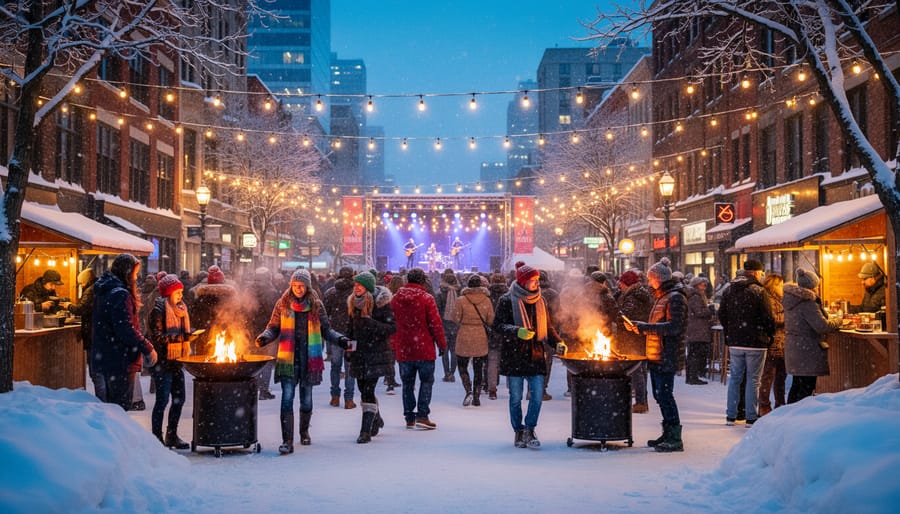
When January’s deep freeze settles over the prairies and cabin fever threatens, Winterruption SK arrives as Saskatoon’s spirited rebellion against the season. Running from January 21 to 25, 2026, this five-day festival transforms the city into a winter wonderland of creativity, proving that cold weather is no excuse to hibernate. It’s less about enduring winter and more about celebrating what makes Saskatchewan winters uniquely ours.
The festival spreads across multiple venues, blending indoor warmth with outdoor adventure. Expect live music performances in cozy theatres, art installations that glow against snowy backdrops, and spontaneous community gatherings that bring neighbours together when they need it most. Local artists, musicians, and performers take centre stage, showcasing the depth of talent thriving in Saskatoon’s creative scene. Past editions have featured everything from ice sculpture competitions to poetry slams, film screenings to interactive theatre.
What sets Winterruption apart is its embrace of the season rather than defiance of it. Outdoor activities might include skating parties, winter markets, or lantern-lit walks through Saskatoon’s river valley trails. The festival’s programming intentionally mixes high culture with accessible fun, ensuring families, students, and arts enthusiasts all find something that resonates.
For visitors timing a winter trip to Saskatoon, Winterruption offers a genuine glimpse into how prairie communities thrive during the coldest months. Pack your warmest gear, embrace the chill, and discover why January in Saskatoon can be surprisingly magical.
6. Batoche National Historic Site, Métis Heritage Landmark
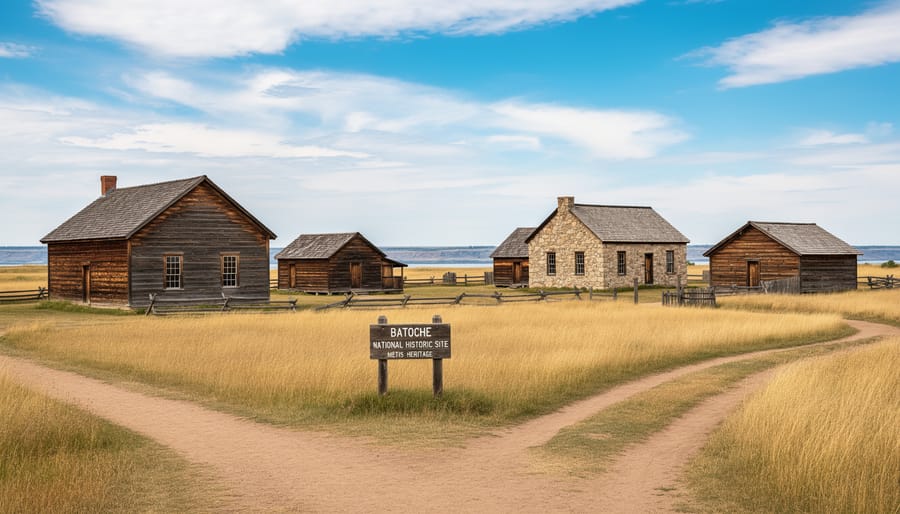
An hour northeast of Saskatoon, Batoche National Historic Site stands as one of the most significant landmarks in Canadian history. This is where the 1885 Northwest Resistance reached its turning point, a pivotal moment in the struggle of the Métis people to protect their land rights and way of life under the leadership of Louis Riel and Gabriel Dumont.
Walking the grounds today, you encounter a living archive of prairie heritage. The site preserves several original buildings, including the bullet-scarred rectory and church that witnessed the intense four-day battle between Métis fighters and Canadian troops. Interpretive trails wind through the battlefield, marked with plaques that explain troop movements, defensive positions, and the stories of individuals who fought here. The visitor centre offers deeper context through exhibits, artifacts, and multimedia presentations that explore both the political tensions leading to the conflict and its lasting impact on Métis communities.
What makes Batoche particularly meaningful is its role in preserving Métis cultural identity. This isn’t just a battle site, it’s a place of profound cultural memory where the Métis Nation’s resilience and resistance are honoured. Summer interpretive programs often feature Métis cultural demonstrations, from traditional jigging to the history of the Red River cart.
For history enthusiasts seeking authentic connections to Canada’s complex past, Batoche delivers substance over spectacle. Unlike more manicured Saskatchewan parks this site asks visitors to engage thoughtfully with uncomfortable truths and the ongoing legacy of colonialism on the prairies.
7. Wanuskewin Heritage Park, Ancient Indigenous Culture
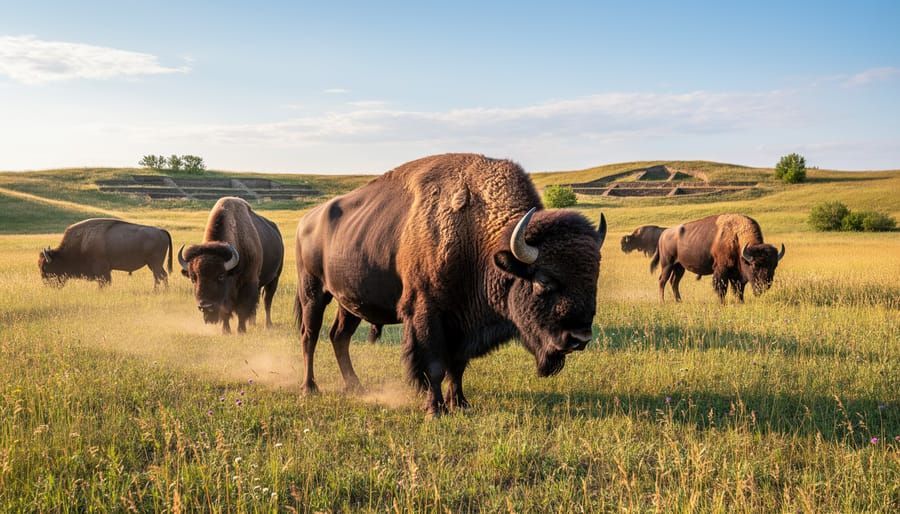
A short drive north of Saskatoon, Wanuskewin Heritage Park stands as one of North America’s most significant archaeological treasures, preserving 6,000 years of Northern Plains Indigenous culture on the very land where it unfolded. The park’s 240 hectares encompass medicine wheels, tipi rings, bison kill sites, and ancient trails that tell the story of generations who thrived in this river valley long before European contact.
The interpretive centre serves as your gateway to understanding this living heritage. Interactive exhibits walk you through archaeological discoveries, traditional technologies, and the seasonal rhythms that shaped Indigenous life on the prairies. Large viewing windows frame the Opimihaw Creek valley, where you can spot the park’s Plains bison herd grazing near the same coulees their ancestors used for millennia.
Walking the network of trails, you’ll encounter remnants of bison jumps and processing sites, with interpretive signage explaining how entire communities coordinated sophisticated hunts. The landscape itself becomes the exhibit, with sweeping valley views that evoke the spiritual connection between people and place.
Cultural programming brings this history forward. Depending on when you visit, you might witness traditional dance performances, participate in bannock-making workshops, or join guided walks led by knowledge keepers who share oral histories passed through generations. The park’s restaurant features Indigenous-inspired cuisine, completing an experience that honours both past and present.
For anyone seeking to understand the deep roots of prairie settlement, Wanuskewin offers education that resonates long after you leave.
8. Pike Lake Provincial Park, Outdoor Recreation Escape
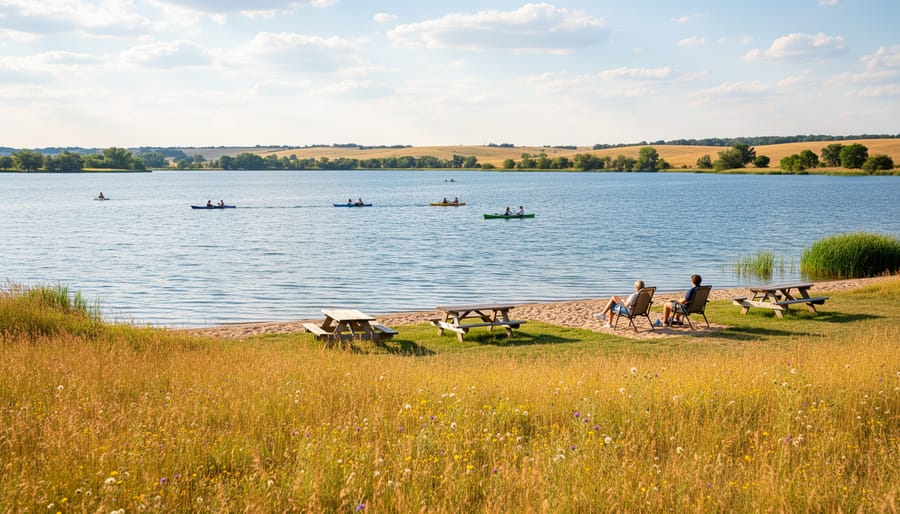
Just thirty minutes south of Saskatoon, Pike Lake Provincial Park offers prairie families a quick escape into nature without the commitment of a long drive. This compact park packs surprising variety into its 287 hectares: a sandy beach for summer swimming, forested trails that wind through mixed woodland, and groomed cross-country skiing routes when snow blankets the prairie.
The park’s namesake lake is the main draw during warm months. Its clear water and gradual sandy bottom make it ideal for kids learning to swim, while the designated beach area includes changing facilities and picnic shelters. Surrounding trails range from easy lakeside loops to moderate hikes through stands of aspen and spruce, where you might spot white-tailed deer browsing at dusk.
Winter transforms Pike Lake into a cross-country skiing destination. The park maintains several groomed loops for both classic and skate skiing, with trail difficulty ranging from beginner-friendly flat sections to more challenging terrain with elevation changes. Snowshoeing is permitted on hiking trails, and the crisp prairie air makes for invigorating outdoor exercise when the city feels claustrophobic.
For those wanting to extend their visit, Pike Lake offers camping from May through September, with both powered and non-powered sites. The campground provides a practical base for exploring other regional attractions, you could easily combine a camping weekend here with Saskatoon Circle events or theatre performances back in the city. It’s the rare day trip that can stretch into a weekend without feeling like you’ve travelled far at all.
Planning Your Saskatoon Day Trip
Start with the fundamentals: confirm operating hours and ticket availability before you leave home. Festivals like Outskirts Music Festival on June 26, 2026, and theatrical productions at Shakespeare on the Saskatchewan can sell out, particularly for weekend performances. The DNA Gardens Saskatoon Festival operates on a strict Saturday-Sunday schedule (10:00 AM to 9:00 PM Saturdays, 10:00 AM to 4:30 PM Sundays), so time your visit accordingly. Winterruption SK’s five-day span from January 21-25, 2026, offers flexibility, but individual events within the festival require separate planning.
Prairie weather demands preparation. Layer your clothing year-round, mornings can be cool even in July, and winter festivals turn brutal without proper gear. A festival packing list helps, but add sunscreen and a hat for summer berry-picking at DNA Gardens, or thermal layers for Winterruption’s outdoor installations.
Consider these planning essentials:
- Check seasonal schedules, many attractions operate May through September only
- Book festival and theatre tickets weeks in advance to secure preferred dates
- Dress in layers and pack rain gear regardless of forecasts
- Bring sun protection, water bottles, and snacks for outdoor venues
- Combine nearby attractions like Wanuskewin Heritage Park and Batoche for full-day itineraries
For maximum efficiency, pair indoor options like the Western Development Museum with weather-dependent activities. If rain threatens your Shakespeare performance, pivot to Wanuskewin’s interpretive centre. Build buffer time between attractions, prairie distances feel deceptive, and summer road construction can add 15-20 minutes to drives.
Frequently Asked Questions
The most practical questions about Saskatoon day trips revolve around logistics and planning. Here’s what you need to know before you go.
What’s the closest day trip from Saskatoon?
Pike Lake Provincial Park sits just 30 minutes south of the city, making it the quickest escape for outdoor recreation. Wanuskewin Heritage Park is also right on the edge of Saskatoon, while the Western Development Museum is actually within city limits.
Which attractions are open year-round?
The Western Development Museum and Wanuskewin Heritage Park welcome visitors throughout the year, offering indoor exhibits and programming even during harsh prairie winters. Pike Lake Provincial Park remains accessible for winter activities like cross-country skiing.
Are these trips suitable for families?
Every option on this list works for families, though each appeals to different ages. The Western Development Museum and DNA Gardens Saskatoon Festival are particularly child-friendly, while Shakespeare on the Saskatchewan and Batoche National Historic Site suit older kids with longer attention spans.
How far in advance should I book festival tickets?
For Shakespeare on the Saskatchewan and Outskirts Music Festival, book at least two to three weeks ahead during peak summer months. Winterruption SK events typically have more availability, but popular performances still sell out.
First-time visitors should start with Wanuskewin Heritage Park or the Western Development Museum. Both provide deep insights into prairie culture and history without requiring a long drive, and they’re accessible regardless of weather conditions or season.
Saskatoon’s surrounding region offers more than most visitors expect. You don’t need to travel far to step into Indigenous archaeology spanning millennia, stand where Canadian history pivoted, or pick berries unique to the prairie landscape. The eight destinations we’ve covered, museums, festivals, parks, and heritage sites, prove that this corner of Saskatchewan rewards curiosity. Some experiences happen year-round, while others arrive with specific seasons, from winter arts celebrations to summer theatre under open skies. Pack accordingly, check current schedules, and give yourself permission to wander beyond the city. Whether you’re drawn to cultural depth or outdoor escape, there’s a day trip here that fits.