
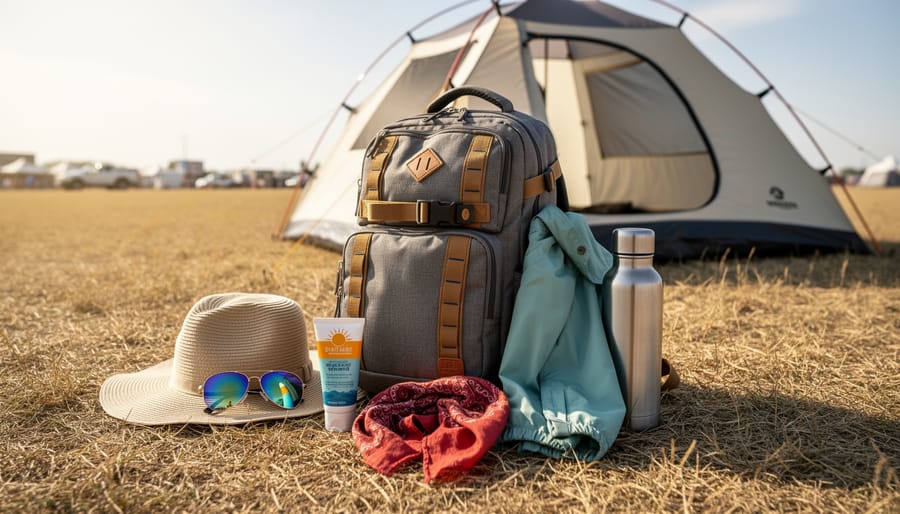

Saskatchewan festival season demands a specific packing strategy. Between the prairie wind that can flatten a tent, temperature swings of 20 degrees in a single day, and sun exposure that rivals desert climates, generic festival lists won’t cut it here. This comprehensive 23-item checklist addresses the unique challenges of attending Saskatoon events and festivals across the province, from Regina’s summer celebrations to rural gatherings where the nearest store sits an hour away.
Whether you’re a local heading to your tenth Craven Country Jamboree or a visitor planning your first Saskatchewan Folk Festival, understanding how our climate shapes your packing needs makes the difference between comfort and misery. The relentless sun can cause severe burns within an hour. Dust storms roll across open festival grounds without warning. Mosquitoes thrive near any water source. And that beautiful 28-degree afternoon? It can drop to 8 degrees once the sun sets.
This guide combines essential festival gear with Saskatchewan-specific solutions, organized by priority and tested against real conditions. You’ll find weather protection strategies woven throughout, plus insight into how local festival-goers adapt to prairie extremes while keeping their packs light enough for long walks from remote parking areas.
How We Chose These Festival Essentials
We built this packing list by talking to people who’ve learned the hard way what works at Saskatchewan festivals. Our criteria centered on three realities: the province’s dramatic weather shifts, the physical demands of all-day outdoor events, and the specific challenges prairie conditions throw at you.
Temperature swings shaped our approach. A July afternoon at Saskatoon’s Folkfest might hit 32°C, then drop to 15°C after sunset. We focused on gear that layers easily and packs small. Prairie wind factored heavily too, your hat needs a strap, your tent stakes need to be serious, and dust protection isn’t optional when you’re standing on dry grassland with 40 km/h gusts.
We drew from attendees of Regina’s Folk Festival, Ness Creek Music Festival, and smaller rural celebrations where amenities are basic and weather support is nonexistent. Their input guided us toward practical, tested gear over trendy festival fashion that fails in real conditions.
Understanding Saskatchewan Festival Weather
Saskatchewan’s prairie climate creates a unique festival environment that demands smart preparation. Summer daytime temperatures typically range from 25°C to 35°C, turning open festival grounds into sun-baked spaces where shade becomes a precious commodity. The province’s flat landscape offers minimal natural cover, exposing festival-goers to intense UV rays that feel even stronger at higher elevations.
After sunset, temperatures commonly drop 10 to 15 degrees, transforming what felt like a hot summer day into a cool evening that catches unprepared attendees off guard. Strong prairie winds sweep across open festival sites with little to slow them down, creating wind-chill effects that make cooler temperatures feel even colder. These same winds can kick up dust at outdoor venues, especially during dry spells common in July and August.
Sudden thunderstorms represent another prairie reality. While Saskatchewan summers are generally dry, localized storms can develop quickly, bringing brief but intense downpours, lightning, and gusty winds. These weather events rarely last long, but they arrive with little warning and can soak anyone caught without rain protection. The combination of heat, wind, sun exposure, and unpredictable precipitation makes Saskatchewan festival weather challenging yet manageable for those who pack with these conditions in mind.
1. Layered Clothing System
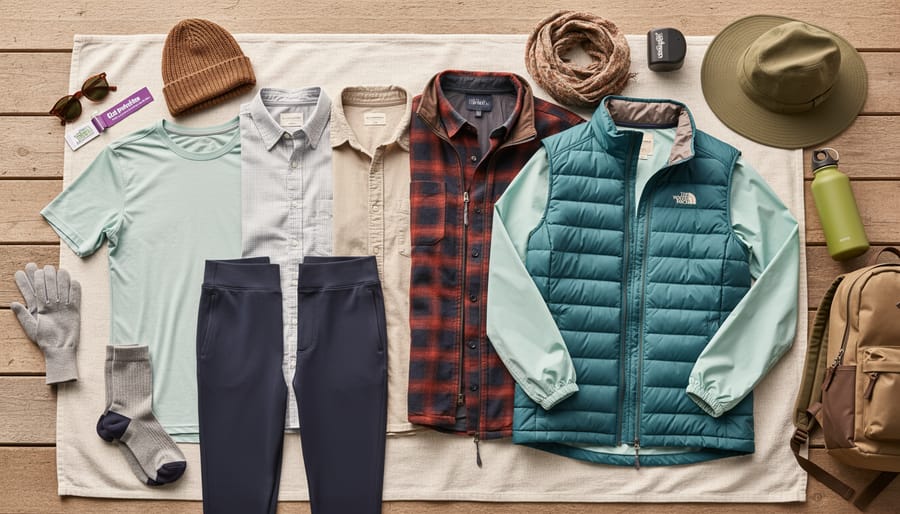
Saskatchewan’s dramatic temperature swings demand a strategic layering approach. Start with a moisture-wicking base layer, lightweight t-shirts or tank tops in breathable fabrics like merino wool or synthetic blends that handle both sweat and temperature changes. Pack a mid-layer for evening cooling: a light fleece or thin hoodie works perfectly when temperatures drop 15 degrees after sunset.
Your outer shell should prioritize wind resistance over heavy insulation. Prairie winds cut through standard jackets, so choose a packable windbreaker with a tight weave. Avoid bulky coats that overheat during afternoon sun. This three-layer system lets you adjust throughout the day: strip down to your base layer when the July sun peaks at 32°C, add your mid-layer as shadows lengthen, and pull on the windbreaker when prairie gusts pick up after dark.
2. Sun Protection Essentials
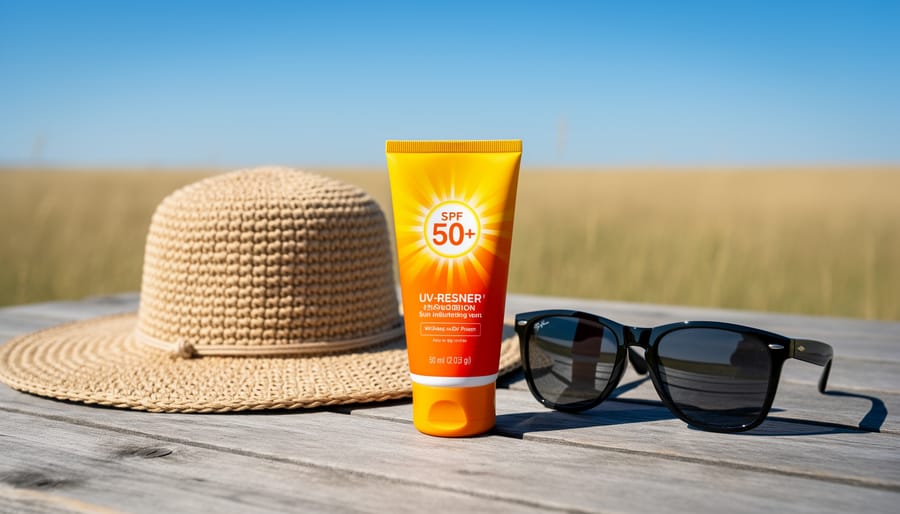
The prairie sun is no joke. Saskatchewan’s UV index regularly hits 8-9 (very high to extreme) during festival season, and most outdoor venues offer minimal natural shade. Pack broad-spectrum sunscreen with SPF 50 or higher and reapply every two hours, sweat and dust make it wear off faster than you’d expect. A wide-brimmed hat (at least three inches) protects your face, ears, and neck better than a baseball cap, though any hat beats none. Polarized, UV-blocking sunglasses are essential; squinting through eight hours of sun gives you a headache and wrinkles. If you burn easily, consider a lightweight long-sleeve shirt with UPF protection. Sunburns ruin festival weekends.
3. Rain Gear That Works
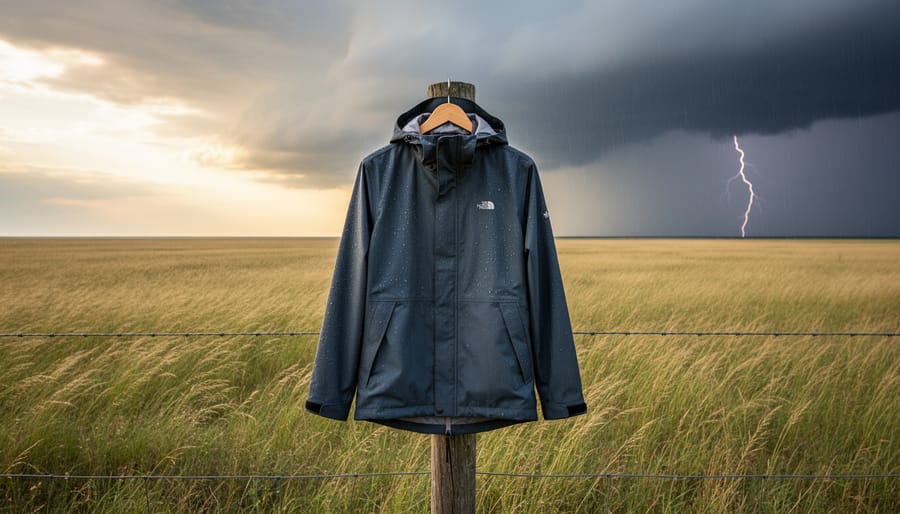
Saskatchewan’s summer weather can shift in minutes, but you don’t need expedition-grade rain gear for most festivals. A lightweight, packable rain jacket or poncho takes up minimal space in your bag and handles sudden prairie storms without the bulk of heavy waterproofing. Look for something that packs into its own pocket and weighs under a pound.
The real key is waterproof protection for your essentials. Bring a few gallon-size zip-lock bags or dry sacks to keep your phone, wallet, and tickets safe when clouds roll in. Many Saskatchewan festivals experience brief, intense downpours rather than all-day rain, so your rain gear needs to deploy fast and dry quickly afterward.
A cheap disposable poncho works fine if you’re budget-conscious, though it won’t last multiple festivals. Whatever you choose, test it before the event, discovering your rain jacket leaks while standing in a muddy field isn’t ideal.
4. Comfortable, Durable Footwear
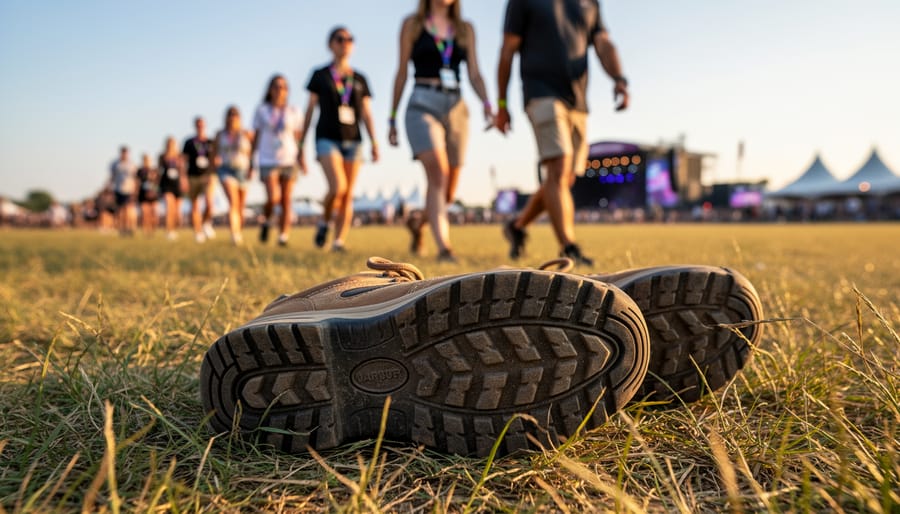
Your feet will carry you through hours of standing, walking, and dancing on grass, dirt, and potentially muddy terrain, choose footwear that’s already broken in and built for comfort over style. Closed-toe shoes with good arch support and grippy soles are essential for Saskatchewan’s prairie festival grounds, where uneven grass, dusty pathways, and sudden rain can transform conditions quickly.
Ankle boots or trail runners work exceptionally well, providing stability when the ground shifts from firm to soft. Avoid new shoes that haven’t been tested; blisters will ruin your festival experience faster than anything else. Canvas sneakers might seem casual enough, but they offer little support for all-day wear and dry slowly if they get wet.
Fashion sandals, heels, and flimsy flip-flops fail at prairie festivals because they sink into soft ground, offer no protection from踩踏 in crowds, and leave your feet vulnerable to dust, debris, and temperature changes. Bring a second pair of shoes if your festival spans multiple days, rotating footwear reduces fatigue and gives wet shoes time to dry.
5. Hydration System
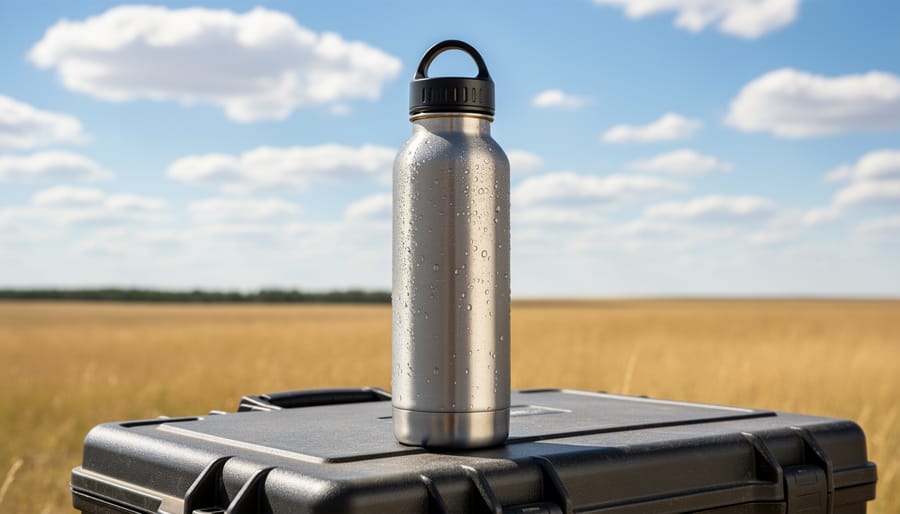
Saskatchewan’s dry prairie air and summer temperatures reaching 30-35°C make proper hydration non-negotiable at festivals. Bring a reusable water bottle, insulated models keep water cold for hours under the relentless sun and prevent that unpleasant warm-bottle surprise mid-afternoon. Most Saskatchewan festivals offer free water refill stations, so a 750ml to 1-litre bottle works perfectly for frequent top-ups.
For all-day events like Craven Country Jamboree or Regina Folk Festival, consider a hydration pack instead. These hands-free bladder systems hold 2-3 litres, let you sip constantly without fumbling for a bottle, and free up backpack space. The constant access matters more than you’d think, festival-goers often don’t realize they’re dehydrated until headaches hit.
Saskatchewan’s low humidity means you lose moisture faster through breathing and sweating, even when you don’t feel particularly hot. Start drinking before you feel thirsty, aim for clear or pale urine, and remember that alcohol and caffeine at vendor tents don’t count toward your hydration goals.
6. Portable Seating Solutions
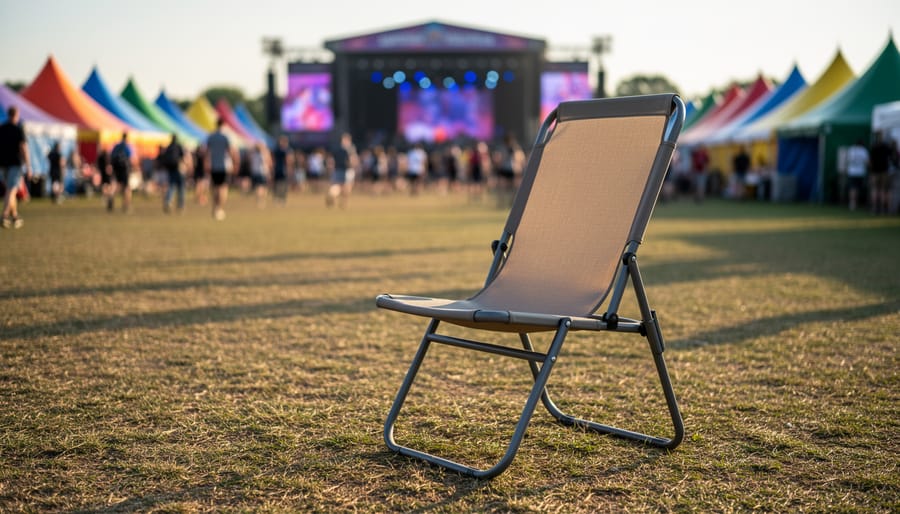
Most Saskatchewan festivals involve hours of standing or sitting on hard ground, making portable seating a game-changer for comfort. A lightweight folding chair works well at venues that permit them, check your specific festival’s rules beforehand, as some restrict chairs to designated areas or ban them entirely for sightline reasons. Stadium seats (those cushioned pads with back support) offer a compact alternative that’s almost universally allowed. For festivals with stricter policies, a quality picnic blanket provides a clean, comfortable spot to rest between sets.
The prairie ground gets surprisingly hard and dusty after weeks without rain, and concrete amphitheater steps turn brutal after an hour. Your back and legs will thank you for bringing something to sit on, especially at all-day events like Saskatoon’s Jazz Festival or Regina’s Mosaic. Comfort directly impacts how long you can enjoy the festival before exhaustion sets in.
7. Cash and Card Balance

Bring a mix of cash and cards to handle Saskatchewan’s varied vendor setups. Pack $40-60 in small bills (fives and tens) since food trucks and craft vendors at smaller festivals often lack card readers or have spotty connectivity. Your main credit or debit card covers larger purchases at urban events like Saskatoon Folkfest, where tap payment is standard.
Keep a backup card separate from your primary payment method. Store everything in a small crossbody bag or money belt that stays with you during crowds. Rural festivals lean heavier on cash transactions, while city events offer more payment flexibility. Having both options means you won’t miss out on that perfect vendor find or stand hungry in a food line when the card machine stops working.
8. Portable Phone Charger
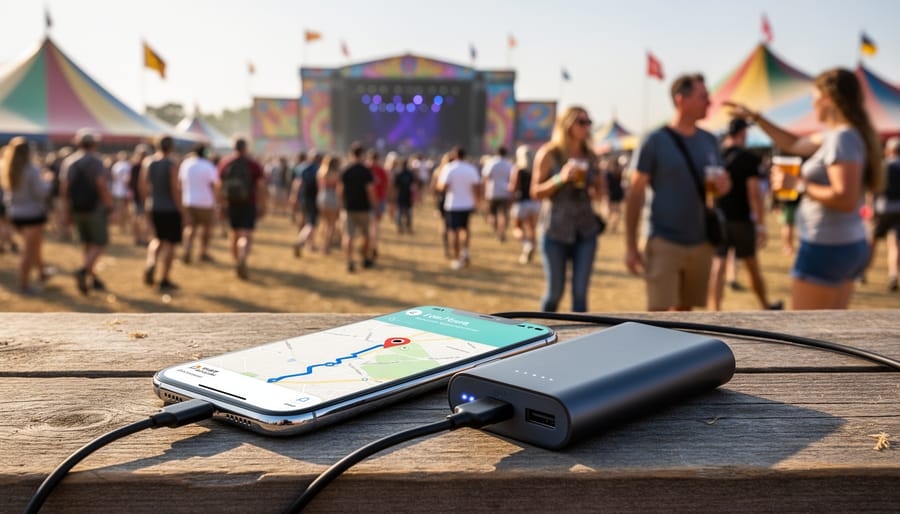
Your phone will die faster at a Saskatchewan festival than almost anywhere else. Between constant photo-taking, GPS navigation to find stages and parking, and exposure to heat that accelerates battery drain, your device faces a perfect storm of power-sucking conditions.
Pack a portable charger with at least 10,000 mAh capacity, enough for multiple full charges. Bring your charging cable and consider a short cable that’s easier to manage while the charger sits in your pocket or bag. Some power banks now include built-in cables, eliminating one thing to forget.
A dead phone means missing meetup texts from friends, losing your digital tickets, and no way to capture those spontaneous moments. The $30 investment in a quality power bank pays for itself the first time you’re not scrambling to find an outlet.
9. Insect Repellent
Saskatchewan’s mosquito season peaks from June through August, making insect repellent essential festival gear. Prairie festivals often take place near rivers, lakes, or wetlands where mosquitoes thrive, and evening performances coincide with peak biting hours around sunset.
Choose a DEET-based repellent (25-30% concentration) or picaridin spray for reliable protection lasting 6-8 hours. Apply before heading to the festival grounds and reapply as needed, especially if you’re sweating heavily during hot summer days.
Rural festivals and events near Saskatoon’s riverbank or Regina’s Wascana Lake require extra vigilance. Pack a travel-size spray in your festival bag for touch-ups throughout the day. The small inconvenience of application beats spending your evening swatting insects instead of enjoying performances.
10. Dust and Allergy Management
Prairie winds pick up dust from Saskatchewan’s dry summer ground, turning festival fields into haze zones that irritate eyes and lungs. Pack a lightweight bandana or buff, versatile enough to cover your nose and mouth when dust clouds roll through, especially at afternoon events when winds peak. Bring antihistamines even if you don’t normally have allergies; pollen and particulates affect everyone differently at outdoor venues. Lubricating eye drops counter the gritty feeling from wind-blown debris, single-use vials work best since they don’t require refrigeration. Events like the Saskatchewan Jazz Festival host thousands on open grounds where protective gear makes the difference between enjoying performances and spending the day squinting and sniffling.
11. First Aid and Medications
A compact first aid kit handles minor emergencies without forcing you to miss performances or trek back to your vehicle. Pack adhesive bandages in multiple sizes, blister treatment patches (essential for long festival days), pain relievers like ibuprofen or acetaminophen, and any personal prescription medications with extras in case you stay longer than planned.
Include antihistamines for unexpected allergic reactions, antacids for adventurous festival food choices, and any EpiPens or emergency medications you require. Store everything in a clearly labeled waterproof pouch, when heat exhaustion or a twisted ankle strikes, you don’t want to dig through your entire bag searching for supplies. Small adhesive tape and alcohol wipes round out a kit that fits in one fist but covers most common festival mishaps.
12. Food and Snacks
Pack trail mix, granola bars, beef jerky, and dried fruit that can handle Saskatchewan’s summer heat without turning into sticky messes in your bag. Avoid chocolate-based snacks unless you’re eating them immediately, they’ll melt by mid-afternoon when temperatures climb past 30°C.
Protein bars keep you energized between meals without requiring refrigeration. Choose varieties wrapped in foil rather than thin plastic, which offers better heat protection. Nuts and seeds provide lasting energy for long festival days, though salted options make you thirstier in dry prairie air.
Bring enough snacks to bridge gaps between food vendor visits. Festival lines grow longest during peak meal times, and rural events often have fewer food options than Saskatoon or Regina festivals. Having backup food means you won’t miss performances while waiting for overpriced festival fare or dealing with sold-out vendor favorites.
13. Identification and Tickets
Keep your government-issued ID on you at all times, many Saskatchewan festivals check identification at entry gates, alcohol gardens, and when purchasing age-restricted items. Store your festival wristband or tickets in multiple formats: print a physical copy as backup even if you have a mobile ticket, because phone batteries die and cell service gets spotty at rural venues. A waterproof sleeve or zip-lock bag protects paper tickets from sudden prairie storms. If the festival requires vaccination records or health documents, keep a photo on your phone plus a laminated card. Tuck everything in a secure pocket or crossbody bag where you can reach it quickly during entry checks without unpacking your entire day bag.
14. Toiletries and Hygiene
Festival restrooms range from clean porta-potties to overwhelmed facilities by mid-afternoon. Pack travel-size hand sanitizer (at least 60% alcohol), unscented wet wipes for quick cleanups, pocket tissue packs, and any feminine hygiene products you might need. Saskatchewan’s dry air and dust make face wipes valuable for freshening up between sets. At crowded events like those covered in our Fringe venues tips having your own supplies means you’re never caught short when dispensers run empty.
15. Lighting for Evening Events
Prairie festivals often stretch into the night, and once the sun sets around 9 PM in summer, you’ll need reliable lighting to navigate safely. A compact LED flashlight or lightweight headlamp makes all the difference when walking between stages, finding your tent at camping festivals, or using porta-potties after dark. Saskatchewan’s rural festival venues and campgrounds rarely have adequate path lighting, and a headlamp keeps your hands free for carrying drinks, food, or gear. Choose one with adjustable brightness, full power for walking uneven ground, dim mode to preserve night vision and avoid blinding others in crowded areas. Keep fresh batteries in your bag as backup.
16. Ear Protection
Standing front-row at a Saskatchewan music festival means exposure to sound levels that can reach 110-120 decibels, loud enough to cause permanent hearing damage after just 15 minutes. High-fidelity concert earplugs reduce volume by 15-25 decibels while preserving sound clarity, letting you enjoy performances without the ringing ears and muffled hearing that follow unprotected listening.
Reusable musician-grade earplugs cost $15-40 and outlast dozens of festivals. They’re essential for multi-day events like the Regina Folk Festival or any show where you’ll be near speakers for extended periods. Unlike foam plugs that muffle everything, quality concert earplugs use acoustic filters to lower volume evenly across frequencies, you’ll still hear every instrument and lyric clearly, just at safer levels. Keep them in a small case attached to your keychain so they’re always available when the headliner takes the stage.
17. Backpack or Day Bag
The right bag makes or breaks your festival experience. For most Saskatchewan festivals, a medium-sized backpack (15-25 litres) gives you enough room for essentials without weighing you down during long days. Choose one with padded shoulder straps and a chest or waist strap to distribute weight evenly, you’ll appreciate this after hours of walking between stages.
Before you pack, check your specific festival’s bag policy. Some Saskatchewan venues, particularly circle events areas and stadium concerts, require clear bags (typically 12″ x 12″ x 6″ or smaller). Having a clear vinyl backpack as a backup saves the disappointment of leaving your regular bag at security.
Look for water-resistant material and multiple compartments to keep items organized and protected from prairie dust and sudden rain.
18. Camera or Binoculars
Most festival-goers rely on smartphones for photos, and they’re usually enough for casual shots and quick videos. But if you’re attending a large-scale event like the Saskatchewan Jazz Festival or catching headliners from a distance, compact binoculars let you see stage details and expressions that disappear in the crowd. A lightweight point-and-shoot camera offers better zoom and low-light performance than phones without the bulk of a DSLR. Whatever you bring, keep it secured with a neck strap, you’ll be moving through crowds, dancing, and navigating uneven ground where gear can easily slip from pockets or bags.
19. Meeting Point Plan
Crowded Saskatchewan festivals often overwhelm cell towers, leaving you unable to text or call your group. Before the event starts, scout specific meeting spots, not just “by the main stage” but detailed landmarks like “the left corner of the beer garden fence” or “the third food truck from the north entrance.” Take photos of these locations and write them down on paper that everyone in your group keeps. Include emergency contact numbers for each person, plus one out-of-province contact who can relay messages if local networks fail. Agree on check-in times throughout the day. This old-school approach works when technology doesn’t, particularly at massive events like Craven Country Jamboree where tens of thousands create connectivity chaos.
20. Zip-Lock Bags
Throw a handful of gallon and quart-size zip-lock bags in your festival pack, they’re cheap insurance against Saskatchewan’s weather surprises. A sudden thunderstorm can drench your phone in seconds, but sealed in a bag it stays dry and functional. Use them for your wallet, festival tickets, medications, and that half-eaten snack you want to save. They also corral loose items like earbuds, sunscreen packets, and keys so you’re not digging through your bag in a dust cloud. The clear design lets you see contents at a glance, handy when security checks your bag at the gate. Bring extras to share with unprepared friends or to protect new purchases. If you’re heading to outdoor events beyond festivals, pack the same way, check our Saskatchewan parks guide for similar weatherproofing strategies. These simple plastic bags solve problems before they start.
21. Light Scarf or Buff
A lightweight scarf or neck buff ranks among the most versatile items you can pack for Saskatchewan festivals. This simple piece of fabric solves multiple prairie challenges: wrap it around your neck when evening temperatures drop, drape it over your head and shoulders for sun protection during peak afternoon heat, or pull it up over your nose and mouth when prairie winds kick up dust at outdoor venues. Choose moisture-wicking synthetic fabrics or merino wool that work whether damp with sweat or caught in unexpected rain. Unlike bulky clothing items, a buff takes almost no space in your bag yet transforms to meet whatever Saskatchewan’s weather throws at you. Festival veterans often carry two, one for wearing, one as backup.
22. Sunglasses Strap or Case
Invest in a simple sunglasses strap or hard case, whichever you’ll actually use. Active festival participation means dancing, bending down for ground seating, navigating crowded areas, and leaning in for photos. Expensive sunglasses disappear quickly when tossed into bags or pockets without protection.
A neoprene strap keeps glasses secure during movement while allowing easy access. For those who prefer removing sunglasses frequently, a compact hard case prevents crushed lenses and broken frames in packed backpacks. Saskatchewan’s bright prairie sun makes quality sunglasses essential, so protect your investment. Many festival-goers learn this lesson after losing their second pair to a mosh pit or finding cracked lenses at day’s end.
23. Positive Attitude and Flexibility
No physical item matters more than your mindset when attending Saskatchewan festivals. Prairie weather will throw curveballs, a scorching afternoon can turn into a windstorm by evening, or your favourite artist might cancel last minute. Festival veterans know that rolling with changes separates memorable experiences from frustrating ones.
Pack realistic expectations alongside your gear. Dust might coat everything, lines will be longer than hoped, and that perfect photo spot could be crowded. Accept these realities before they happen. The best festival moments often emerge from unplanned detours: discovering a new artist while waiting out rain, making friends in the merch line, or finding an unexpectedly perfect sunset view.
Saskatchewan’s festival culture thrives on community and resilience, qualities born from prairie living itself. When challenges arise, fellow festival-goers typically help each other out. That cooperative spirit turns weather delays and venue hiccups into shared stories rather than solo frustrations.
What to Leave at Home
Just as important as what you pack is knowing what to skip. These items cause more trouble than they’re worth at Saskatchewan festivals:
Items to leave behind:
- Expensive jewelry, designer accessories, or sentimental items you’d devastate to lose in grass or dust
- Multiple outfit changes, you’ll wear less than you think and just carry extra weight
- Glass bottles or containers, which most festivals prohibit and break easily on hard ground
- Full-size shampoo, conditioner, and body wash that add bulk and risk leaking
- Aerosol sunscreen or bug spray, often banned and less effective in prairie wind
- Weapons, including pocket knives larger than venue limits
- Professional camera equipment if you’re not actually photographing the event
- Umbrellas at crowded music festivals, they block views and aren’t wind-stable on the prairies
Check your specific festival’s prohibited items list before packing. Saskatchewan venues vary widely in their rules, particularly regarding bag size, outside food, and recording equipment. What flies at a relaxed community celebration might get confiscated at a ticketed music festival. When in doubt, leave it home, most festivals have vendors for anything you desperately need, and travelling light means more energy for actually enjoying the event rather than guarding your belongings.
Packing for Specific Saskatchewan Festival Types
Different Saskatchewan festivals call for slightly different packing approaches. Multi-day camping festivals like Ness Creek require your core festival list plus camping essentials, tent, sleeping bag rated for cool prairie nights, camping chair, and cooking supplies if meals aren’t provided. Pack extra layers since temperatures can drop significantly after sunset even in July.
Cultural festivals such as Regina’s Mosaic or Saskatoon’s Folkfest benefit from modest, respectful clothing choices when visiting pavilions representing different traditions. Comfortable walking shoes matter even more since you’ll cover substantial distances moving between venues. Bring a larger bag for cultural items or crafts you might purchase.
Food-focused festivals demand strategic planning. Come hungry, wear pants with forgiving waistbands, and bring a cooler bag if you’re buying perishable items to take home. Cash remains king at many vendor stalls.
Music festivals prioritize hearing protection, quality earplugs are non-negotiable for multi-stage events. A lightweight crossbody bag keeps hands free for dancing while securing your essentials. Consider a portable phone charger with extra capacity since you’ll likely record performances and navigate between stages frequently.
Final Festival Packing Tips
Before heading to your next Saskatchewan festival, take ten minutes the night before to lay everything out and cross-check against the venue’s prohibited items list, many festivals ban certain chair types, glass containers, or professional cameras. Pack your bag completely the evening before rather than rushing the morning of; this gives you time to realize you’re out of sunscreen or need fresh batteries. As you leave your accommodation each festival day, do a quick pocket pat-down: phone, wallet, tickets, sunglasses, those four items alone will save most emergencies.
Do I need to bring my own water or can I buy it at the festival?
Most Saskatchewan festivals sell water, but bringing a reusable bottle saves money and reduces wait times at busy hydration stations. Many venues now have free water refill stations specifically for this purpose.
Are coolers allowed at Saskatchewan festivals?
Cooler policies vary widely, some multi-day camping festivals permit them, while most single-day urban events don’t. Always check your specific festival’s website for size restrictions and approved items before packing one.
What’s the best bag type for Saskatchewan festivals?
A comfortable backpack works best for unrestricted venues, but bring a clear bag if the festival requires it (common at larger events). Choose something with padded straps since you’ll wear it for hours.
Should I pack camping gear for all Saskatchewan festivals?
Only for multi-day festivals that offer camping options like the Regina Folk Festival or Ness Creek. Most single-day events don’t require overnight gear, just daily essentials.
Saskatchewan’s festival season offers something special, prairie sunsets over music stages, diverse cultural celebrations, and the genuine warmth of local communities gathering to celebrate. Weather unpredictability is part of the experience, not a flaw. You’ve got your layers ready, your sun protection sorted, and your essentials packed. Now go enjoy whichever festival calls to you, whether it’s your tenth year attending or your first time experiencing Saskatchewan’s summer magic.