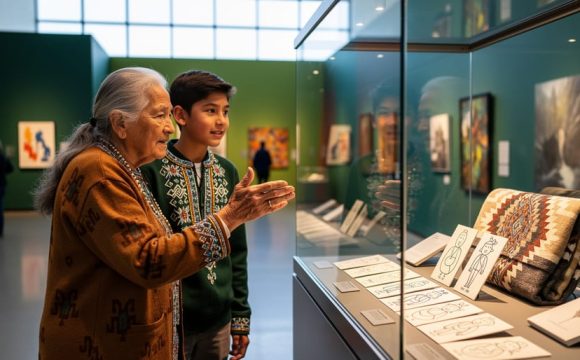

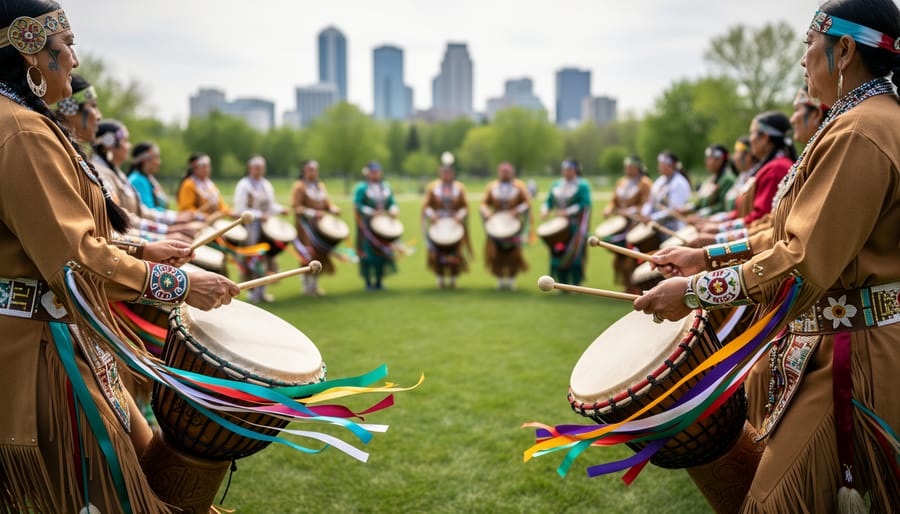

Saskatoon Circle refers primarily to Indigenous round dance gatherings and cultural celebrations held throughout the year in Saskatoon, alongside the unrelated Saskatoon Circle Skills Gathering, an ancestral skills event that takes place in Washington’s Methow Valley. If you’re searching for local events in Saskatoon itself, you’ll find meaningful opportunities to participate in traditional round dances, particularly during seasonal feast celebrations and community-organized cultural events that welcome both Indigenous and non-Indigenous participants.
The round dance tradition holds deep significance in Plains Cree and other Indigenous cultures across the prairie provinces. These gatherings bring people together in a clockwise circle, moving as one to the rhythm of drums and voices, fostering connection, healing, and celebration. In Saskatoon, these events range from intimate community circles to large-scale gatherings that draw hundreds of participants.
For 2026, key dates include the City of Saskatoon Feast & Round Dance on March 27, which typically marks important cultural observances, and Rock the River festival running August 14 through 16 at Rotary Park, which often incorporates Indigenous cultural programming alongside its music lineup. The Saskatoon Circle Skills Gathering scheduled for June 21 through 27, despite its similar name, is a separate week-long ancestral skills workshop focused on traditional crafts, foraging, and survival techniques, but it’s held in Washington state rather than Saskatchewan.
Whether you’re a longtime resident looking to deepen your understanding of local Indigenous culture or a visitor hoping to experience authentic prairie traditions, Saskatoon’s circle gatherings offer an accessible entry point. Most events welcome respectful participation from all backgrounds, though understanding basic protocols and etiquette will enrich your experience and honor the traditions you’re joining.
What Saskatoon Circle Events Offer Visitors
Circle-format events in Saskatoon offer something you won’t find at typical festivals: genuine cultural immersion and community connection built on Indigenous traditions of gathering. These events center on participation rather than performance, inviting you into round dances, feast gatherings, and skills-sharing circles that have brought people together for generations.
The round dance tradition forms the heart of many Saskatoon circle gatherings. Unlike concerts where you watch from the sidelines, round dances welcome everyone to join hands and move together in a continuous circle, breaking down barriers between stranger and friend. These gatherings often include feasts where sharing food becomes an act of community building, and elders pass down stories and teachings to younger generations. Events like the City of Saskatoon Feast & Round Dance create space for cultural learning that extends well beyond Indigenous Peoples Day celebrations, offering year-round opportunities to engage respectfully with living traditions.
The skills-based gatherings take a different approach, teaching practical knowledge through direct experience. You’ll find workshops on traditional crafts, land-based skills, and ancestral techniques passed through demonstration and practice rather than lectures. The circular format means learning happens in relationship, instructors and participants share the same space, ask questions freely, and build skills together.
What sets these events apart in Saskatoon’s festival landscape is their deliberate focus on inclusion and reciprocity. You’re not buying entertainment; you’re joining a community practice that values everyone’s presence and contribution.
Top Saskatoon Circle Events to Experience
1. City of Saskatoon Feast & Round Dance
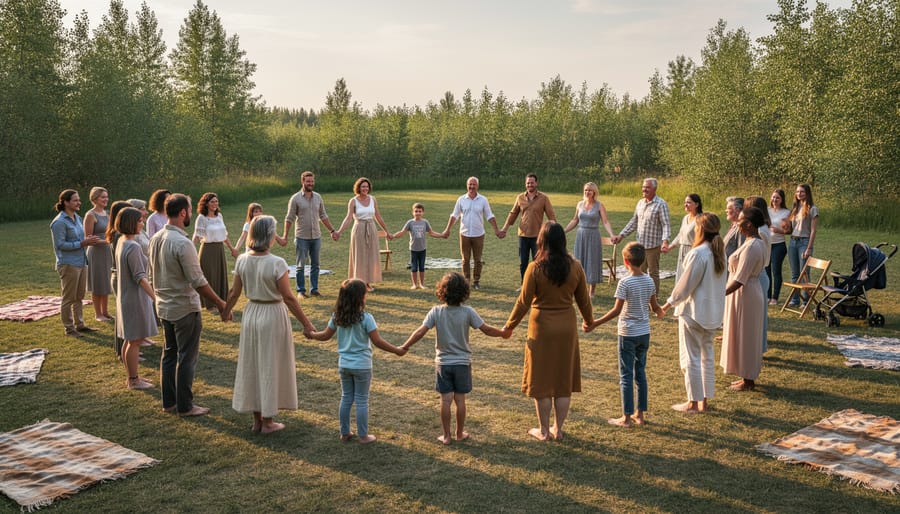
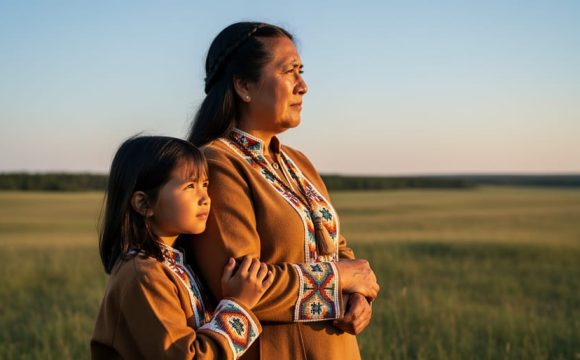
The Feast & Round Dance March 27, 2026 stands as one of Saskatoon’s most welcoming cultural gatherings, offering residents and visitors a chance to experience Indigenous traditions firsthand. Hosted by the City of Saskatoon, this annual event centers on the round dance, a social gathering rooted in Plains Cree and other Indigenous traditions where participants join hands in a large circle and move together to the rhythm of drumming and singing.
Round dances carry deep cultural significance beyond their joyful communal spirit. Historically held to mark important occasions, celebrate relationships, and strengthen community bonds, these gatherings embody the circular worldview central to many Indigenous philosophies, the idea that all things are connected and equal within the circle of life. The dance itself is deliberately inclusive: there’s no front or back, no hierarchy, just a continuous circle where everyone participates as equals.
At the March event, you’ll find a traditional feast preceding the round dance, featuring Indigenous foods and dishes shared communally. The feast follows protocols of gratitude and sharing, setting a welcoming tone before the dancing begins. Drummers and singers provide live music throughout the evening, with intermittent rounds that allow people to rest, socialize, and enjoy the atmosphere.
Participants can expect a warm, family-friendly environment where cultural protocols are gently explained for newcomers. You don’t need any special skills or regalia to join, just a respectful attitude and willingness to participate. Organizers typically share brief explanations about protocols, such as when to join the circle and how the dance flows, making it accessible for first-time attendees while honoring the traditions that give the event its meaning.
2. Saskatoon Circle Skills Gathering (Methow Valley)
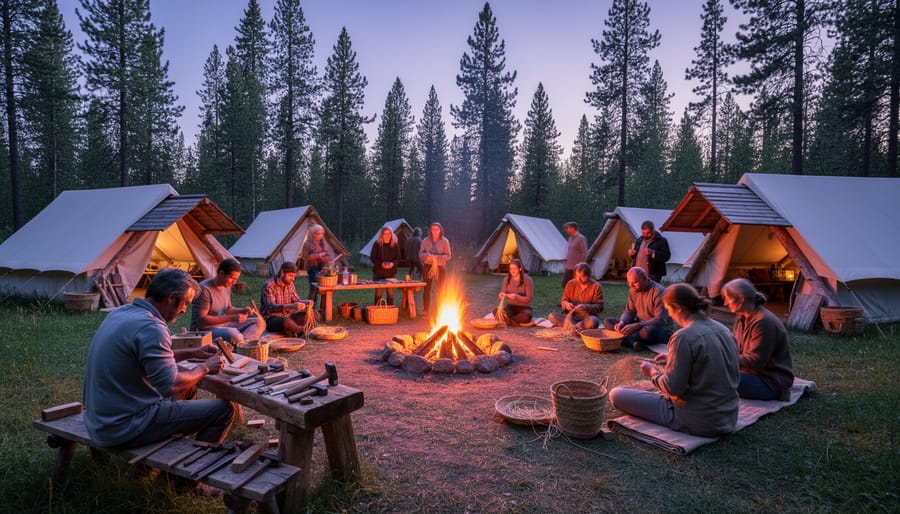
The Saskatoon Circle Skills Gathering offers a distinctly different experience from the urban round dances of Saskatoon, Saskatchewan. Held in Washington’s Methow Valley from June 21-27, 2026, this intimate event draws people interested in ancestral skills, traditional knowledge, and low-impact living. Despite its geographic distance, the gathering shares its name with the serviceberry shrub (Amelanchier alnifolia) native to both the Methow Valley and the Saskatoon region, a connection that reflects the cross-continental range of Indigenous plant knowledge and food traditions.
This week-long immersion gathers a small group of participants for hands-on classes covering topics like fire-making, basketry, plant identification, hide tanning, and wild food preservation. The deliberately small scale fosters genuine community building rather than the mass-festival atmosphere. You’ll camp on-site for the duration, sharing meals and evening circles that mirror the communal format seen in traditional gatherings. The extended timeline allows skills to develop through practice rather than quick demonstrations.
The gathering attracts outdoors enthusiasts, permaculture practitioners, educators seeking traditional knowledge, and anyone curious about pre-industrial lifeways. Many attendees return year after year, creating a tight-knit community that welcomes newcomers willing to participate fully. Expect a mix of ages and backgrounds united by respect for land-based skills and ancestral wisdom.
If you’re accustomed to Saskatoon’s urban festival scene, prepare for a different pace. The Methow Valley setting means limited connectivity, self-reliance, and immersion in natural rhythms. This gathering rewards those ready to step away from modern conveniences and engage deeply with hands-on learning and relationship-building over a full week.
3. Circle Elements in Other Saskatoon Festivals
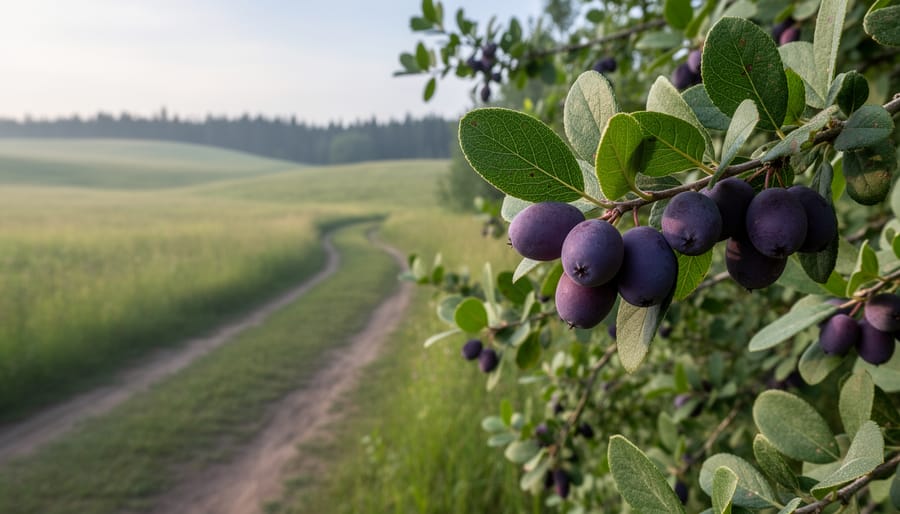
Beyond dedicated round dances and skills gatherings, Saskatoon’s festival scene weaves circular community traditions throughout the calendar year. These events may not carry “circle” in their name, but they embrace the same inclusive, community-centered values that define circle gatherings.
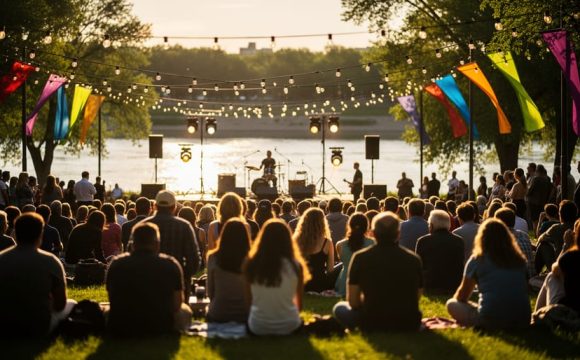
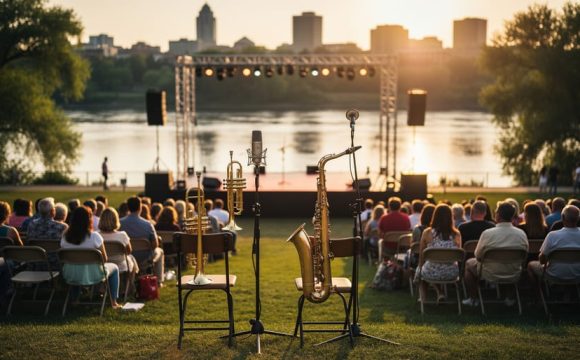
Rock the River, running August 14-16, 2026, at Rotary Park, exemplifies this approach. The festival’s layout encourages circular movement through the grounds, with stages and vendor areas arranged to foster organic gathering rather than rigid audience-performer divisions. Attendees naturally form listening circles around acoustic performers, and the riverside setting creates shared spaces where strangers become neighbors over a long weekend.
Many other entries on the 12 Saskatoon events worth knowing in 2026 incorporate circle elements without explicit marketing. Farmers markets arrange vendors in loops that invite browsing and conversation. Cultural festivals organize performances and workshops in rings where participants face one another, echoing the egalitarian spirit of traditional round dances. Even winter celebrations feature bonfire circles and group activities designed for connection rather than passive observation.
This subtle integration reflects Saskatoon’s cultural identity. The city recognizes that circle traditions, rooted in Indigenous protocols of respect and inclusion, strengthen any gathering. Whether you’re attending a designated round dance or simply enjoying a summer festival, you’ll find these values shaping how the community comes together.
Practical Information for Attending Circle Events
Finding and attending circle events requires some planning, though most gatherings welcome newcomers warmly. Event details for Saskatoon-area round dances and Indigenous gatherings are often shared through community organizations, the City of Saskatoon’s events calendar, and local Indigenous cultural centers. The Saskatoon Circle Skills Gathering in the Methow Valley maintains its own website with registration information and updates.
| Event Name | Date (2026) | Location | Duration | Event Type |
|---|---|---|---|---|
| City of Saskatoon Feast & Round Dance | March 27 | Saskatoon, SK | 1 day | Cultural gathering |
| Saskatoon Circle Skills Gathering | June 21-27 | Methow Valley, WA | 7 days | Skills workshop |
| Rock the River | August 14-16 | Rotary Park, Saskatoon, SK | 3 days | Music festival |
What to bring depends on the event format. For one-day round dances, dress modestly and comfortably; many attendees wear ribbon skirts, jingle dresses, or regalia, though street clothes are typically acceptable. Bringing a dish to share for feast portions is customary but not always mandatory. Multi-day gatherings like the Skills Gathering require camping gear, weather-appropriate clothing for the season, and any personal items for a week outdoors.
Costs vary widely. Many Indigenous community round dances are free or by donation to support Elders and organizers. The Saskatoon Circle Skills Gathering charges tuition to cover instructors and materials, though specific pricing changes annually. If you’re traveling from out of province for Saskatoon events, consider where to stay well in advance, especially during peak festival months.
Cultural protocols matter. At round dances, enter the circle respectfully, move clockwise, and observe whether photography is permitted before taking pictures. Listen for announcements about protocols specific to each gathering, and ask an organizer if you’re unsure. Seasonal timing shapes the experience: March events in Saskatoon can be cold, while June in the Methow Valley offers warm days and cool mountain evenings.
Local Tips for Making the Most of Circle Gatherings
Experienced circle gathering participants share several key insights that help newcomers participate respectfully and get the most from these events. Cultural protocols matter, especially at Indigenous gatherings like round dances. If you’re not familiar with the Indigenous context arrive early to observe, listen to any opening remarks, and follow the lead of experienced dancers. Don’t photograph ceremonies without explicit permission, and understand that some portions may be restricted to community members only.
For multi-day events like the June skills gathering in the Methow Valley, pack layers regardless of season. Both Saskatoon and Washington locations experience significant temperature swings between day and night. Bring a refillable water bottle, comfortable shoes for extended standing or dancing, and cash for donations or vendor purchases, since not all circle events accept cards.
- Introduce yourself to organizers upon arrival and ask if volunteers are needed
- Respect the circle’s direction of movement (typically clockwise in round dances)
- Bring a dish to share if the event includes a feast component
- Silence your phone and avoid checking it during ceremonies or teachings
- Stay for cleanup; helping pack up is a valued form of participation
Community connection happens naturally when you show up with genuine interest rather than as a spectator. Ask questions during appropriate times, not during ceremonies. If you’re attending the Washington gathering, consider planning nearby day trips before or after to explore the region, but don’t treat the gathering itself as tourism. These events prioritize learning and relationship-building over entertainment. March events in Saskatoon require winter readiness if you’re traveling from elsewhere, while summer gatherings need sun protection and insect repellent.
Frequently Asked Questions
Here’s what visitors often want to know before attending their first circle event in Saskatoon or the Methow Valley:
What is a round dance?
A round dance is an Indigenous gathering where participants form a circle and dance together, often to honor community, celebrate cultural traditions, or mark seasonal changes. The circular format symbolizes unity and equality, with everyone facing the center and moving together in a shared rhythm.
Do I need to be Indigenous to attend round dances and feast gatherings?
Most community round dances in Saskatoon, including the City of Saskatoon Feast & Round Dance on March 27, 2026, welcome all respectful participants regardless of background. These events celebrate Indigenous culture while fostering community connection across cultures.
What’s the connection between Saskatoon, Saskatchewan and the Methow Valley gathering?
The Saskatoon Circle Skills Gathering in Washington takes its name from the saskatoon berry, which grows in both regions and holds cultural significance for Indigenous peoples across North America. The June 21-27, 2026 event focuses on ancestral skills rather than urban festivals, but shares the “circle” theme of community learning.
Are circle events family-friendly?
Yes, circle-format gatherings typically welcome families and often include activities for children. The community-centered nature of these events makes them accessible to all ages, though you’ll want to check specific event details for any age guidelines or children’s programming.
To find more circle-format events throughout the year, check the City of Saskatoon’s cultural events calendar and Indigenous community organizations’ announcements. Many gatherings are promoted through community networks rather than mainstream advertising, so connecting with local cultural centers can help you discover upcoming opportunities. Social media groups focused on Saskatoon events often share round dance announcements and seasonal gatherings as they’re scheduled.
Circle-format gatherings represent some of Saskatoon’s most meaningful cultural experiences, bridging Indigenous traditions with modern community building. Whether you’re drawn to the round dance’s rhythmic footwork and feast traditions or the intimate skills-sharing of the Methow Valley gathering, these events offer something rare: genuine connection in an intentionally inclusive space.
Approaching these gatherings with respect and openness matters. Read up on cultural protocols before attending Indigenous events, arrive ready to participate rather than observe, and honour the communal spirit that makes circles work. These aren’t performances staged for tourists but living traditions that welcome sincere participants.
Before making plans, confirm current details directly with event organizers. Dates and access requirements can shift, and some gatherings operate on invitation or registration systems that fill early. The City of Saskatoon’s events calendar and the Saskatoon Circle Skills Gathering website provide the most reliable information.
Saskatoon’s circle gatherings reward those who show up with curiosity and respect. Step into the circle, experience the collective energy, and discover what these time-honored formats still teach us about being part of a community.