
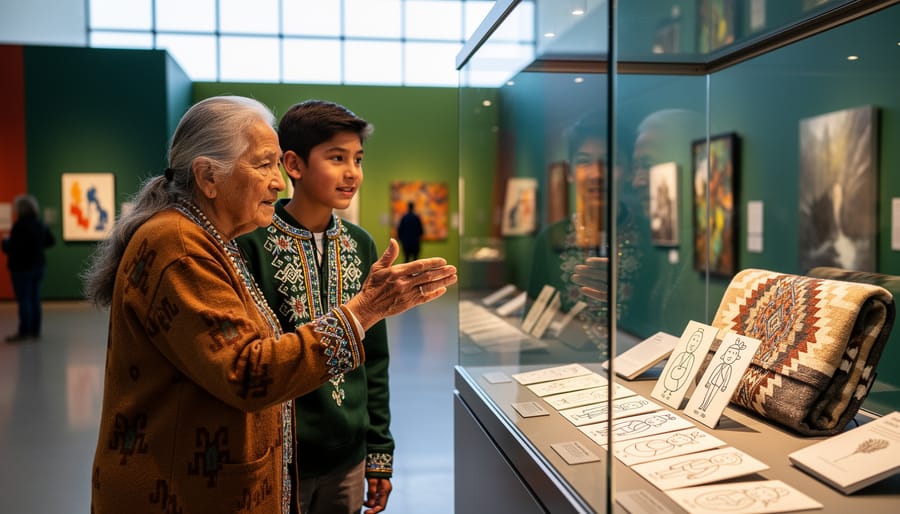

Saskatchewan’s cultural institutions have reopened their doors with a renewed commitment to language diversity, offering residents and visitors unprecedented access to Indigenous language revitalization programs, francophone cultural experiences, and multilingual community resources across the province. From Cree immersion workshops at heritage sites to French-language performances and newcomer language circles, these institutions are positioning language preservation and learning as central to Saskatchewan’s cultural identity in 2026.
The reopening landscape reflects a significant shift in how cultural spaces approach linguistic heritage. Museums, galleries, and cultural centers now integrate language programming into their core offerings rather than treating it as supplementary content. Indigenous language initiatives lead the way, with institutions partnering directly with Elders and knowledge keepers to ensure authentic transmission of languages like Cree, Dene, Dakota, and Saulteaux. Francophone organizations have expanded their reach beyond traditional centers, bringing French-language arts and education into broader community spaces.
For anyone exploring Saskatchewan’s cultural scene, language programming offers an entry point into deeper community connections. Newcomers find practical support through multilingual resources at reopened institutions, while long-time residents discover opportunities to engage with the province’s linguistic roots. The timing aligns with broader cultural celebrations, including upcoming Culture Days events that will showcase this linguistic diversity through performances, workshops, and interactive experiences.
Understanding what’s available and when requires navigating a landscape that varies by region and institution type, but the commitment to language as a living, evolving aspect of culture remains consistent across Saskatchewan’s reopened cultural spaces.
What’s Reopening and When
Saskatchewan’s cultural landscape is awakening with a wave of reopenings that bring language programming and cultural experiences back to communities across the province. Starting in late June, a diverse array of institutions began welcoming visitors again, each offering unique opportunities to connect with the province’s rich linguistic and cultural tapestry.
Libraries, museums, galleries, movie theatres, and live theatres across Saskatchewan were permitted to reopen Monday, June 29 marking a significant milestone for cultural access in the province. These spaces serve as vital hubs for preserving and celebrating Saskatchewan’s multilingual heritage, from Indigenous languages to francophone culture and immigrant community connections.
The types of institutions now reopening include:
- Public libraries offering language learning resources, Indigenous language materials, and multilingual collections
- Museums featuring exhibits on Saskatchewan’s linguistic history and cultural evolution
- Art galleries showcasing works that reflect the province’s diverse cultural communities
- Theatres presenting performances in multiple languages and celebrating various cultural traditions
- Cultural centers dedicated to Indigenous, francophone, and multicultural programming
Looking ahead, Saskatchewan’s cultural calendar features Culture Days Sept 18, Oct 4, 2026 a province-wide celebration that will bring free cultural activities, workshops, and performances to communities across Saskatchewan. This annual event represents one of the most significant opportunities for residents and visitors to immerse themselves in the province’s linguistic diversity and cultural richness.
Whether you’re interested in exploring Indigenous language preservation, francophone heritage, or multicultural community initiatives, the reopening of these institutions provides renewed access to Saskatchewan’s vibrant cultural offerings.
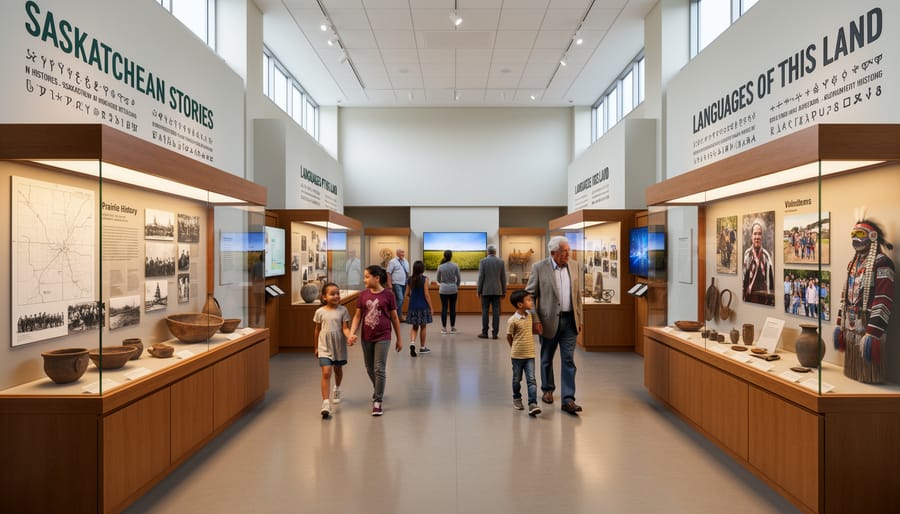
Language Programming Returns to Saskatchewan Institutions
Indigenous Language Preservation
Saskatchewan’s cultural institutions serve as vital keepers of Indigenous languages, many of which face urgent preservation challenges. As museums, libraries and cultural centers reopen, visitors can access Cree, Dene, Dakota and Saulteaux language resources that connect today’s communities with centuries of knowledge.
The Wanuskewin Heritage Park near Saskatoon offers immersive exhibits where Plains Cree phrases accompany archaeological displays, helping visitors understand how language shapes cultural understanding. Meanwhile, Saskatoon Public Library branches provide learner-friendly Cree and Dakota materials, from children’s picture books to audio recordings by fluent speakers.
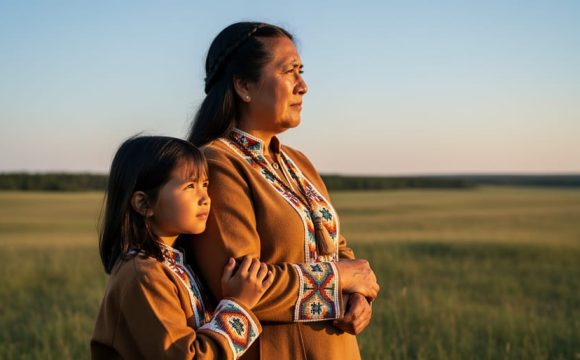
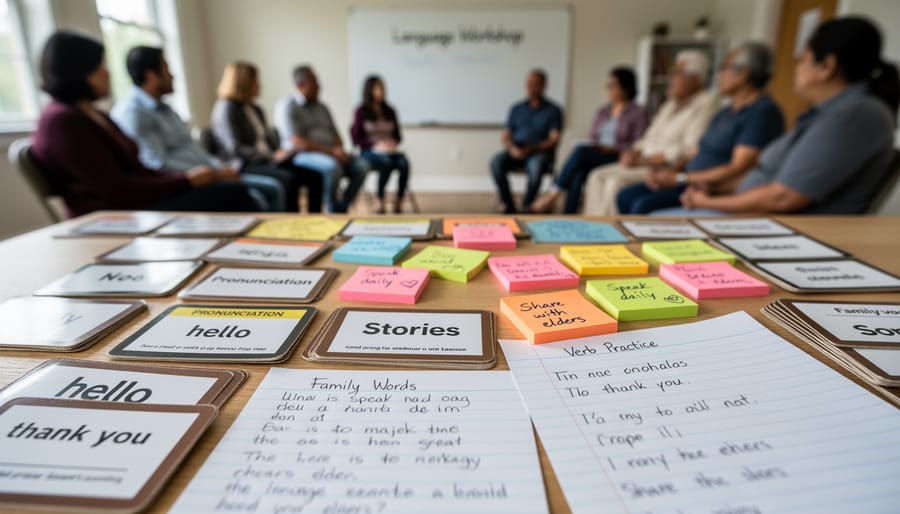
Cultural centers across the province host language circles and workshops led by knowledge keepers who teach everyday vocabulary alongside deeper cultural concepts that English simply can’t capture. These sessions welcome both Indigenous community members reconnecting with ancestral languages and non-Indigenous residents seeking to understand Indigenous history beyond textbook summaries.
Events like Indigenous Peoples Day celebrations showcase how these institutions collaborate with Elders to create programming that honours living languages rather than treating them as historical artifacts. The Regina Public Library’s Indigenous Languages Collection features learning apps and conversational guides that younger learners can use alongside traditional storytelling sessions.
Francophone Cultural Spaces
Saskatchewan’s francophone community has deep roots stretching back to the province’s founding, and several cultural institutions actively preserve this heritage through French-language exhibits, performances, and community programming. The Musée Héritage Museum in St. Boniface showcases artifacts and stories documenting francophone settlement and life on the prairies, while Regina’s Théâtre Oskana regularly stages French-language productions that bring contemporary and classic works to Saskatchewan audiences.
Libraries across the province maintain French-language collections for all ages, including children’s literature, adult fiction, and historical archives that connect modern readers with their linguistic heritage. Cultural centres like the Centre culturel Royer in Saskatoon host French conversation circles, traditional music workshops, and seasonal celebrations that keep the language alive in daily practice, not just historical memory. These spaces serve both fluent francophones and those learning French, creating welcoming environments where language becomes a bridge between generations and cultures rather than a museum piece.

Multilingual Community Connections
Saskatchewan’s libraries and cultural centers have become vital hubs for newcomers navigating life in a new language. These institutions offer far more than books, they provide English as a Second Language conversation circles, settlement resources in multiple languages, and access to digital tools like Rosetta Stone and Mango Languages. Many branches stock materials in Tagalog, Mandarin, Arabic, Ukrainian, and other community languages, reflecting the province’s evolving demographic landscape.
Beyond language acquisition, these spaces host cultural programming that helps immigrant families maintain connections to their heritage while building new ones in Saskatchewan. Cooking demonstrations, traditional craft workshops, and multicultural storytelling events create informal settings where recent arrivals meet established residents. Libraries often partner with settlement agencies to offer citizenship test preparation, resume workshops in various languages, and technology training that breaks down barriers to employment and civic participation. This combination of practical support and cultural celebration makes these institutions essential bridges between Saskatchewan’s diverse communities.
Where to Experience Language and Culture in Saskatchewan
Saskatchewan’s cultural institutions offer rich opportunities to explore the province’s linguistic heritage and diverse communities. Whether you’re a resident looking to deepen your connection to local culture or a visitor eager to experience Saskatchewan’s unique identity, these spaces provide welcoming access to language programming and cultural exhibits.
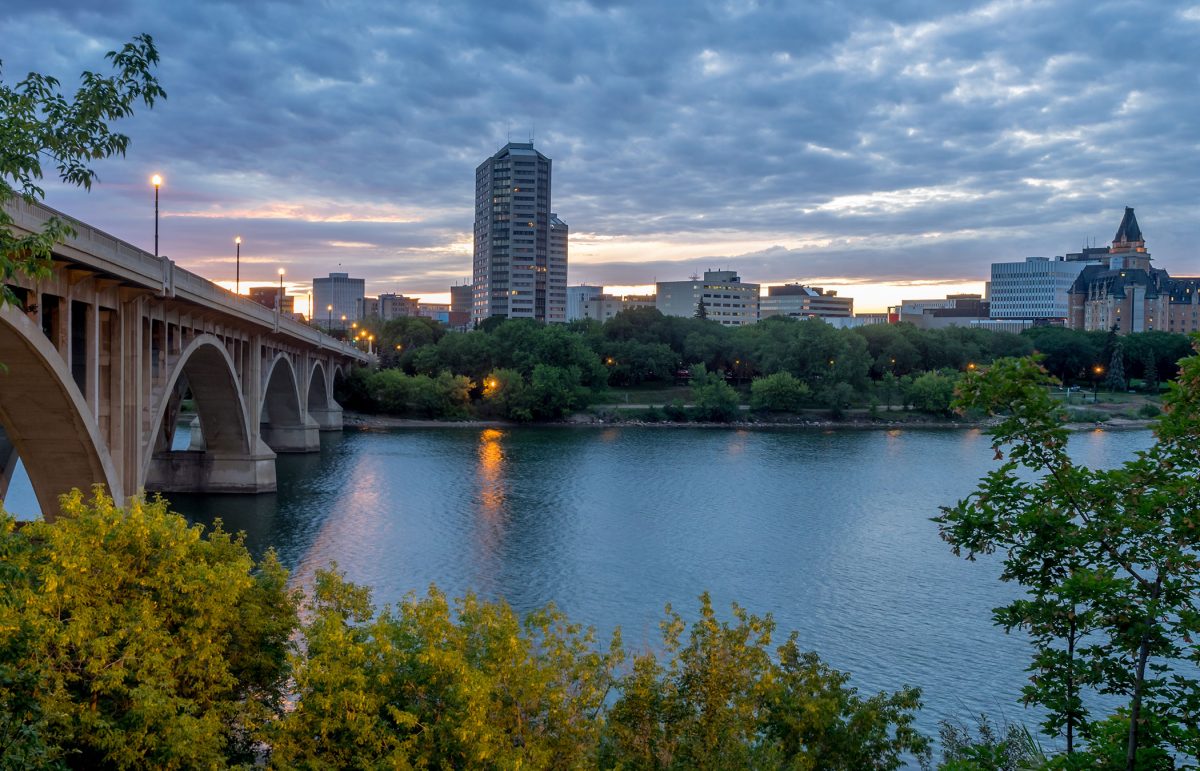
In Saskatoon, the Remai Modern stands as a gateway to contemporary art that often explores cultural identity and language through visual expression. The gallery regularly features exhibitions by Indigenous and francophone artists whose work reflects Saskatchewan’s multilingual landscape. Nearby, the Saskatoon Public Library branches serve as community hubs offering language learning resources, cultural programming, and collections in multiple languages including Cree, French, and languages spoken by recent immigrant communities.
Regina’s cultural corridor centers around the Royal Saskatchewan Museum and the MacKenzie Art Gallery, both of which interpret Saskatchewan’s natural and cultural history through exhibits that honor Indigenous knowledge systems and French colonial heritage. The Regina Public Library’s nine branches provide robust multilingual services, hosting conversation circles and cultural events that bring together speakers of diverse languages.
| Institution | Primary Focus | What to Expect |
|---|---|---|
| Remai Modern (Saskatoon) | Contemporary art, Indigenous perspectives | Exhibits exploring cultural identity, artist talks, Indigenous art collections |
| Royal Saskatchewan Museum (Regina) | Natural history, First Nations culture | Indigenous language elements in exhibits, cultural artifacts, interpretive programs |
| Saskatoon & Regina Public Libraries | Multilingual community resources | Language learning materials, conversation groups, multicultural programming |
| Wanuskewin Heritage Park (near Saskatoon) | Northern Plains Indigenous culture | Cree and other Indigenous language interpretation, cultural demonstrations, guided tours |
Beyond the major cities, regional centers like Prince Albert, Moose Jaw, and Swift Current host museums and cultural centers that celebrate local francophone history and Indigenous heritage. Many smaller communities maintain cultural societies and heritage sites where language preservation efforts continue through workshops and community gatherings.
Wanuskewin Heritage Park, just outside Saskatoon, deserves special mention as a National Historic Site where visitors experience Northern Plains Indigenous culture through storytelling, exhibits, and programming that incorporates Cree language and traditional knowledge. The park’s interpretive approach makes language an integral part of understanding the site’s 6,000-year history of Indigenous presence.
Most institutions maintain current programming information on their websites, making it easy to plan visits around specific language events, workshops, or exhibits that match your interests.
Planning Your Visit: What to Know
Before heading out to explore Saskatchewan’s cultural institutions, a little planning ensures you make the most of your visit. Most museums, galleries, and libraries have returned to regular operations since reopening in late June, but hours can vary by location and season. Check each institution’s website or call ahead to confirm current hours, especially if you’re planning a trip outside Saskatoon or Regina.
Some popular exhibits and special events may require advance booking or timed entry, particularly during weekends and school holidays. Galleries hosting temporary collections sometimes limit visitor numbers to protect artwork and maintain a quality viewing experience, so reserving your spot online prevents disappointment.
If you’re traveling from outside Saskatchewan, add cultural stops to your travel checklist early in your itinerary planning. Many institutions offer free admission or discounted family passes, but confirming details ahead of time helps you budget accurately.
For Culture Days Saskatchewan programming in September and October, individual events are organized by local communities and cultural groups. The official Culture Days website lists participating venues and activities as they’re confirmed, usually starting in late summer. Popular workshops and performances fill quickly, so bookmark the events you want and register as soon as sign-up opens.
Parking availability varies widely. Downtown Saskatoon and Regina locations often have paid street parking and nearby lots, while smaller regional centers typically offer free parking. Arriving early gives you more time to browse and avoids the rush.
Culture Days Saskatchewan 2026: A Celebration Not to Miss
Culture Days Saskatchewan 2026 offers an extraordinary opportunity to experience the province’s rich linguistic and cultural tapestry through hundreds of free activities across communities. Running from September 18 to October 4, this province-wide celebration invites residents and visitors to participate in workshops, performances, exhibitions, and hands-on cultural experiences that highlight Saskatchewan’s diverse heritage.
The event typically features a remarkable range of language-focused programming. You can expect Indigenous language workshops where Elders and knowledge keepers share traditional stories in Cree, Dene, and Dakota. Francophone theatre groups often stage performances in French, while multicultural organizations host storytelling sessions in languages from Tagalog to Ukrainian, reflecting Saskatchewan’s immigrant communities.
This celebration aligns with broader cultural recognition movements, similar to the Indigenous Peoples Day shift that honours First Nations heritage. Culture Days embraces this spirit by centering Indigenous voices and creating space for all cultural communities to share their traditions.
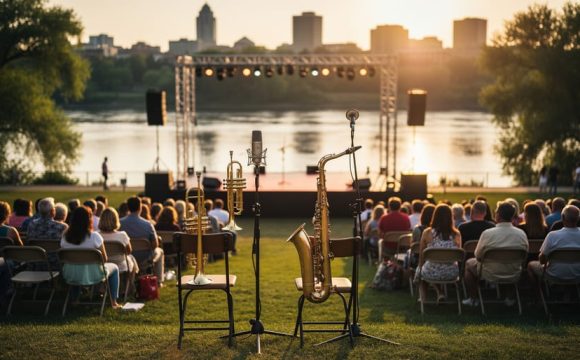
Past editions have included hands-on language activities where families learn basic phrases in multiple languages, traditional music performances with songs in heritage languages, and culinary workshops where food becomes a bridge between cultures and tongues. Artists open their studios, museums extend their hours, and libraries host author readings in various languages.
The beauty of Culture Days lies in its accessibility. These aren’t passive观 experiences where you simply observe from a distance. You’re invited to participate, whether that means trying your hand at Métis beadwork while learning the Michif names for colours, joining a Ukrainian dance workshop, or attending a poetry slam featuring works in English, French, and Indigenous languages. It’s cultural immersion without barriers or admission fees.
The reopening of Saskatchewan’s cultural institutions marks more than a return to normal operations. These spaces serve as vital bridges connecting residents and visitors to the province’s rich linguistic tapestry and the diverse communities that call Saskatchewan home. Whether you’re exploring Cree language exhibits, attending francophone cultural events, or discovering multilingual resources at your local library, each visit strengthens the threads that bind communities together.
For both longtime residents and first-time visitors, now is the perfect time to step into these cultural spaces. The programming available reflects Saskatchewan’s commitment to preserving Indigenous languages, celebrating francophone heritage, and supporting newcomers from around the world. Beyond the exhibits and collections, you’ll find workshops, conversations, and shared experiences that bring language and culture to life.
Mark your calendar for Culture Days Saskatchewan from September 18 to October 4, 2026, when free cultural activities will showcase the province’s linguistic diversity on a grand scale. But don’t wait until fall. The doors are open now, and Saskatchewan’s cultural institutions are ready to welcome you into spaces where language, heritage, and community converge.