

Every June 21st, Saskatoon comes alive with drumming, dancing, and storytelling as Canada honors National Indigenous Peoples Day—a celebration recognizing the rich heritage, cultures, and contributions of First Nations, Métis, and Inuit peoples across the country. For a city where Indigenous communities form a vital part of the social fabric, this day holds profound significance. Saskatchewan is home to 74 First Nations and six of Canada’s eight Métis regions, with Saskatoon serving as a cultural crossroads where traditional practices meet contemporary Indigenous expression.
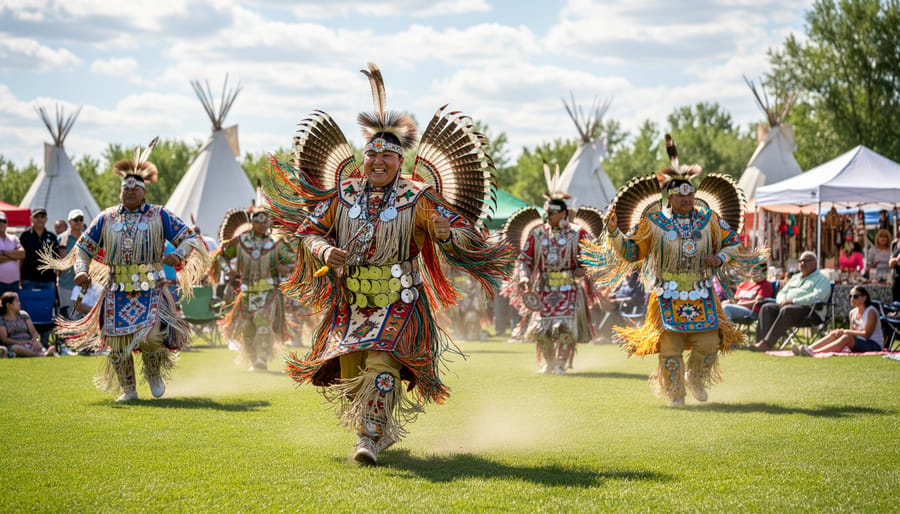
Whether you’re a longtime resident seeking to deepen your understanding of Treaty 6 territory or a visitor wanting authentic cultural experiences, National Indigenous Peoples Day offers transformative opportunities. From sunrise ceremonies at Wanuskewin Heritage Park to vibrant powwows featuring traditional regalia and competitive dancing, the day presents chances to witness living cultures that have thrived for millennia. Local events typically include artisan markets showcasing beadwork and birchbark crafts, educational workshops on Indigenous history, and feasts featuring traditional foods like bannock and bison. Participating respectfully means listening with open hearts, supporting Indigenous-owned businesses, and recognizing that this celebration extends beyond a single day—it’s an invitation to ongoing reconciliation and relationship-building within our community.
The History Behind the Celebration
National Indigenous Peoples Day was officially declared by the Government of Canada in 1996, following years of advocacy by Indigenous leaders and organizations who called for a day to celebrate the rich heritage, diverse cultures, and outstanding contributions of First Nations, Inuit, and Métis peoples. The date chosen, June 21st, holds deep cultural significance as it coincides with the summer solstice, the longest day of the year.
For countless generations, many Indigenous peoples across Canada have marked the summer solstice as a time of spiritual renewal and celebration. This astronomical event has traditionally been observed with ceremonies, gatherings, and cultural practices that honour the relationship between people and the natural world. By aligning National Indigenous Peoples Day with this date, the celebration connects contemporary recognition with ancient traditions.
The road to establishing this national day began in 1982 when the National Indian Brotherhood, now the Assembly of First Nations, called for the creation of National Aboriginal Solidarity Day on June 21st. The Royal Commission on Aboriginal Peoples later reinforced this vision, leading to the 1996 proclamation by then-Governor General Roméo LeBlanc.
Since its inception, the day has evolved significantly. What began primarily as a day of cultural celebration has grown to encompass broader themes of reconciliation, truth-telling, and building understanding between Indigenous and non-Indigenous Canadians. Communities across the country, including here in Saskatoon where Indigenous peoples make up a significant portion of our population, now host powwows, traditional ceremonies, educational workshops, and cultural performances.
The celebration continues to grow in importance as Canadians increasingly recognize the vital role of Indigenous peoples in shaping our nation’s past, present, and future.
Saskatoon’s Indigenous Heritage and Community
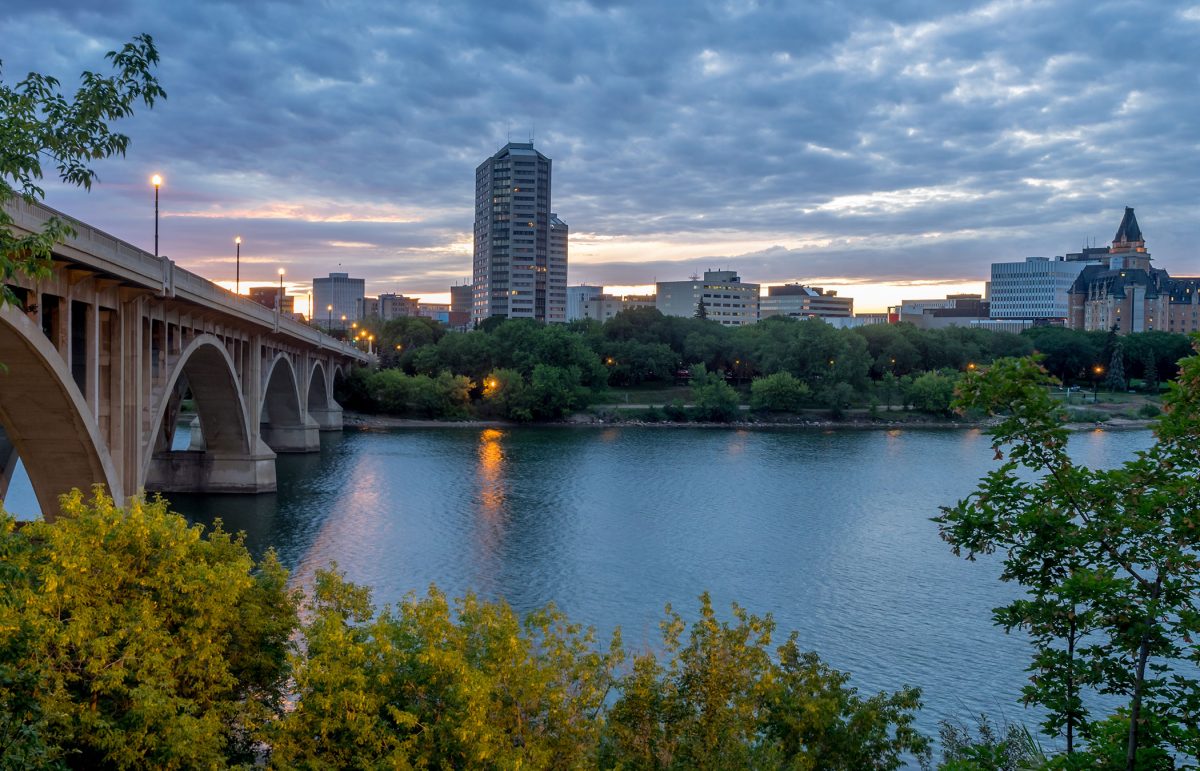
Saskatoon holds a unique position as Treaty 6 territory and the traditional homeland of the Métis. The city sits on the banks of the South Saskatchewan River, known in Cree as Kisiskāciwani-sīpiy, which has served as a vital gathering place and travel route for Indigenous peoples for thousands of years.
The region is deeply connected to several First Nations, including the Muskeg Lake Cree Nation, Whitecap Dakota First Nation, and Mistawasis Nêhiyawak. These communities maintain strong ties to the land and continue to shape the cultural fabric of the area. The Métis Nation of Saskatchewan also has deep roots here, with Saskatoon serving as an important centre for Métis culture, governance, and community life.
Today, Saskatoon is home to one of the largest urban Indigenous populations in Canada, with approximately 25,000 Indigenous residents representing diverse nations and traditions. This vibrant community has transformed the city into a genuine cultural hub where Indigenous languages, arts, and traditions thrive alongside contemporary innovation.
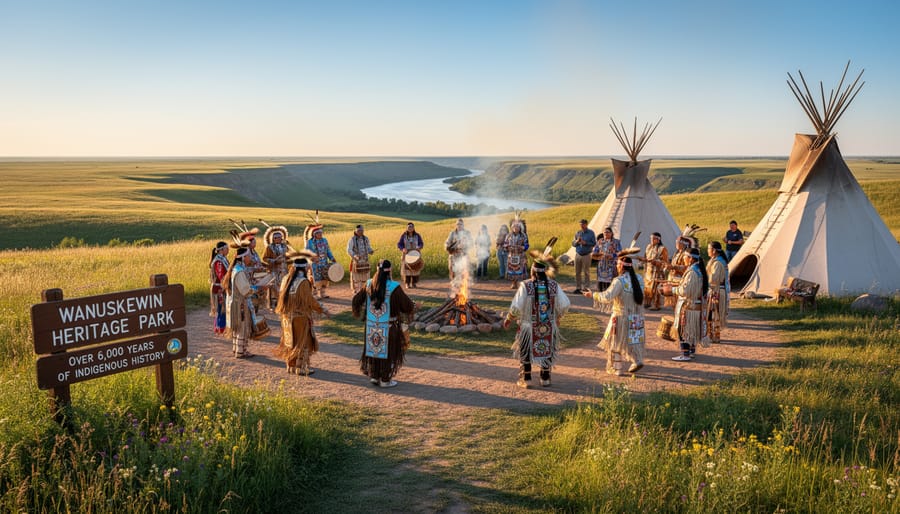
The city’s Indigenous presence is visible throughout the urban landscape. Wanuskewin Heritage Park, located just minutes north of downtown, stands as one of the oldest continuously inhabited sites in North America, with archaeological evidence of human activity spanning over 6,000 years. The park offers visitors an authentic window into Northern Plains Indigenous culture through interpretive programs, traditional demonstrations, and scenic trails.
Downtown Saskatoon features the Remai Modern art gallery, which showcases significant Indigenous art collections, while local businesses like the Indian and Métis Friendship Centre provide essential cultural programming and community services. Saskatchewan Indigenous Cultural Centre preserves and promotes Indigenous languages and traditions, working to ensure cultural knowledge passes to future generations.
Understanding this rich heritage enriches any visit to Saskatoon and helps visitors and residents alike appreciate the ongoing Indigenous presence that makes the city culturally unique. National Indigenous Peoples Day provides an opportunity to deepen this understanding while celebrating the resilience and contributions of the peoples who have called this land home since time immemorial.
How Saskatoon Celebrates National Indigenous Peoples Day
Major Events and Festivals
Saskatoon comes alive each June 21st with vibrant celebrations honouring Indigenous cultures, traditions, and contributions. The city offers numerous events that welcome everyone to participate in this meaningful day.
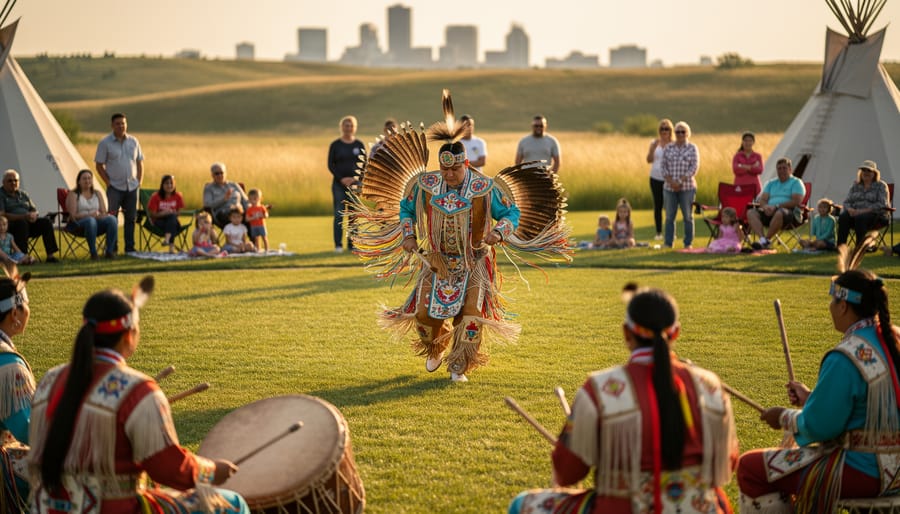
Wanuskewin Heritage Park serves as a focal point for National Indigenous Peoples Day festivities. This National Historic Site, located just minutes from downtown, hosts a full day of programming featuring traditional dancing, drumming circles, and storytelling sessions led by Indigenous Elders. Visitors can explore archaeological sites, watch artisan demonstrations, and sample traditional bannock and bison dishes at the park’s restaurant. The celebration often includes guided nature walks that share Indigenous perspectives on the land and its significance.
Downtown at River Landing, the annual celebrations draw thousands of people for one of the city’s largest free cultural events. The riverside location provides a stunning backdrop for multiple stages showcasing powwow dancers in their regalia, contemporary Indigenous musicians, and throat singers. Local artisans set up market stalls where you can purchase authentic Indigenous crafts, from beadwork to paintings. Interactive tipi displays and hands-on craft activities give families opportunities to learn traditional skills.
Throughout Saskatoon, various community centres and gathering spaces host their own powwows and feasts. These grassroots celebrations offer intimate experiences where you can witness grand entries, participate in round dances, and enjoy traditional foods prepared by community members. Many events include educational workshops about treaty history, language preservation, and contemporary Indigenous issues.
The Remai Modern art gallery typically features special Indigenous exhibitions and artist talks, while public libraries organize reading circles focusing on Indigenous authors. These diverse celebrations create multiple entry points for learning and connection, ensuring everyone can find meaningful ways to observe this important day.
Family-Friendly Activities and Educational Opportunities
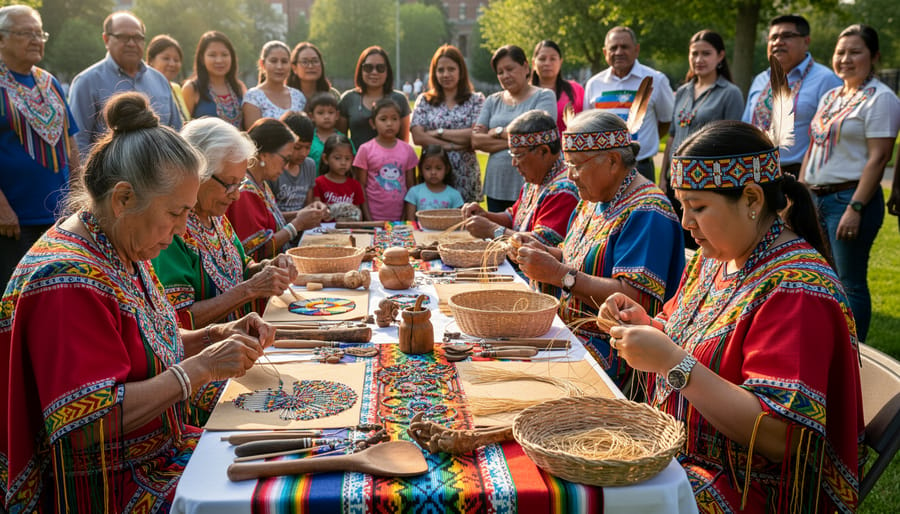
National Indigenous Peoples Day celebrations in Saskatoon offer wonderful opportunities for families to engage with Indigenous cultures through hands-on activities and learning experiences. Throughout the city, you’ll find interactive workshops where children and adults can try their hand at traditional crafts like beadwork, birchbark biting, and dreamcatcher making, guided by skilled Indigenous artisans who share the cultural significance behind each piece.
Storytelling circles are particularly popular with families, where Elders and knowledge keepers share creation stories, legends, and teachings that have been passed down through generations. These sessions provide meaningful insights into Indigenous worldviews and values in an accessible, engaging format that captivates listeners of all ages.
Art demonstrations showcase traditional and contemporary Indigenous art forms, including painting, carving, and textile work. Many artists welcome questions and explain the symbols and stories woven into their creations, making these demonstrations both visually stunning and educational.
Food experiences are another highlight, with opportunities to taste and learn about traditional Indigenous cuisine. Bannock-making workshops are especially beloved by families, while food vendors serve authentic dishes featuring ingredients like bison, wild rice, and Saskatoon berries.
Educational programs at venues like Wanuskewin Heritage Park offer deeper dives into Indigenous history, archaeology, and living culture. Many organizations provide free resource materials and activity guides to help families continue learning beyond the celebrations, ensuring respectful and ongoing engagement with Indigenous peoples and traditions throughout the year.
Where to Experience Indigenous Culture Year-Round
Indigenous culture thrives in Saskatoon throughout the year, offering countless opportunities for meaningful engagement beyond June 21st. Just 25 minutes south of the city, Wanuskewin Heritage Park stands as a National Historic Site where visitors can explore 6,000 years of Northern Plains Indigenous history through archaeological sites, interpretive programs, and traditional performances.
Downtown Saskatoon features numerous Indigenous-owned businesses and cultural spaces worth discovering. The SaskMade Marketplace showcases authentic Indigenous art and crafts, while the Remai Modern regularly features works by prominent Indigenous artists. For culinary experiences, restaurants like Bannock Express and Indigenous-owned food trucks offer traditional and contemporary Indigenous cuisine.
The Saskatchewan Indian Cultural Centre provides year-round educational programs, language classes, and cultural workshops open to the public. River Landing also hosts seasonal Indigenous art markets and craft sales. Supporting these spaces helps strengthen relationships with Indigenous communities while deepening your understanding of their rich heritage. These experiences ensure that learning and celebration continue every day of the year.
Ways to Meaningfully Participate and Show Support
Celebrating National Indigenous Peoples Day meaningfully starts with respectful participation and a genuine commitment to learning. Whether you’re a Saskatoon resident or visiting the city, there are many ways to honour Indigenous cultures and support reconciliation efforts.
Attending local events is one of the best ways to engage authentically. Saskatoon’s Wanuskewin Heritage Park regularly hosts celebrations featuring traditional dancing, drumming, storytelling, and craft demonstrations. These gatherings provide opportunities to experience Indigenous culture directly from community members who generously share their knowledge and traditions.
Supporting Indigenous-owned businesses creates lasting impact beyond a single day. Visit shops featuring authentic Indigenous art, beadwork, and crafts. Enjoy bannock and traditional foods at Indigenous-operated restaurants and food trucks. Purchase books by Indigenous authors from local bookstores. Your patronage helps sustain these enterprises year-round.
Take time to learn about the Treaty 6 territory you’re on. Acknowledge that Saskatoon sits on the traditional lands of the Cree, Dakota, Lakota, Nakota, and Saulteaux peoples, and is the homeland of the Métis Nation. Many local organizations offer educational resources about treaty rights and responsibilities.
Understanding cultural protocols matters. Ask permission before taking photographs at ceremonies. Listen more than you speak during cultural teachings. If you’re invited to participate in activities, approach them with respect and humility.
Engage with reconciliation efforts by reading the Truth and Reconciliation Commission’s Calls to Action. Support land-based education programs and Indigenous language revitalization initiatives happening locally.
Finally, avoid cultural appropriation. Don’t wear ceremonial regalia as costumes or use sacred symbols decoratively. Instead, appreciate these traditions by learning their significance and supporting the communities who hold them sacred. Meaningful participation means showing up with respect, openness, and a willingness to listen and learn from Indigenous voices.
National Indigenous Peoples Day is far more than a single day of celebration—it represents an ongoing commitment to reconciliation, respect, and genuine understanding between Indigenous and non-Indigenous communities. As we gather in Saskatoon to honour the rich cultures, histories, and contributions of First Nations, Métis, and Inuit peoples, we’re reminded that this journey doesn’t end on June 21st. Whether you’re a longtime resident or visiting our vibrant city, participating in local events offers a meaningful opportunity to connect with Indigenous communities and learn from their knowledge keepers. Take time to attend a traditional drum circle, enjoy bannock and other Indigenous cuisine, or simply listen to the stories being shared. Beyond the festivities, commit to supporting Indigenous artists and businesses, visiting cultural centres, and educating yourself about the true history of this land we call home. Each conversation, each moment of learning, and each act of solidarity contributes to building stronger, more inclusive communities throughout Saskatchewan and across Canada.