

Columbus Day is a federal holiday in the United States, observed on the second Monday in October, while Indigenous Peoples’ Day is recognized by many states and cities on the same date but holds no official federal status. In Canada, neither observance exists as a national holiday. Instead, Canadians mark National Indigenous Peoples Day on June 21st, a designated day (though not a statutory holiday) that celebrates First Nations, Inuit, and Métis cultures.
For Saskatoon residents, this distinction matters, especially if you’re planning cross-border travel or simply trying to understand the conversation around these October observances. The U.S. federal government still recognizes Columbus Day, established in 1937, though the movement to replace or rename it has gained considerable traction since the 1990s. More than a dozen states and over 130 cities now celebrate Indigenous Peoples’ Day instead, creating a patchwork of observances that can confuse even Americans.
The shift reflects a broader reckoning with historical narratives. While Columbus Day traditionally honored the Italian explorer’s 1492 arrival in the Americas, Indigenous Peoples’ Day acknowledges the devastating impact of colonization on Native communities. Canada took a different path entirely, establishing National Indigenous Peoples Day in 1996 to coincide with the summer solstice, a date already significant in many Indigenous cultures.
Understanding these holidays offers valuable context for conversations about reconciliation, whether you’re engaging with American friends, planning a fall road trip south of the border, or participating in local Indigenous cultural events here in Saskatoon.
Understanding the Difference: Columbus Day vs. Indigenous Peoples Day in the U.S.
Columbus Day became a U.S. federal holiday in 1937, designated for the second Monday in October to commemorate Christopher Columbus’s 1492 arrival in the Americas. For decades, it stood as an unquestioned celebration of Italian-American heritage and what many viewed as the “discovery” of the New World.
That narrative began shifting in the 1990s. Indigenous activists and scholars highlighted a painful truth: Columbus’s voyages initiated centuries of colonization, displacement, and devastation for Native peoples. South Dakota became the first state to replace Columbus Day with Native American Day in 1990. Berkeley, California followed in 1992, creating Indigenous Peoples Day as a counter-celebration.
The movement gained momentum through the 2000s and 2010s. Cities and states started making their own declarations. By 2014, Seattle and Minneapolis had adopted Indigenous Peoples Day. Vermont became the first state to make the switch at a state level in 2016. The momentum accelerated dramatically: Los Angeles in 2017, Washington D.C. in 2019, and dozens more followed.
President Biden issued the first presidential proclamation recognizing Indigenous Peoples Day in October 2021, a symbolic milestone. He continued this recognition in subsequent years. However, as of 2026, Columbus Day remains the official statutory federal holiday. Federal offices close under the Columbus Day designation, though many government communications now acknowledge both observances.
The debate remains distinctly American. Canada never observed Columbus Day and developed its own path toward Indigenous recognition, culminating in National Indigenous Peoples Day on June 21. While Canadians might encounter this U.S. holiday discussion during cross-border travel or in American media, it doesn’t directly affect Canadian statutory holidays or observances.
Is Indigenous Peoples Day a National Holiday in the United States?
No, Indigenous Peoples Day is not a statutory federal holiday in the United States as of 2026. While President Joe Biden issued a proclamation recognizing Indigenous Peoples Day in 2021 (the first U.S. president to do so), and has continued to issue annual proclamations, Congress has not passed legislation making it an official federal holiday. Columbus Day remains the only federal holiday on the second Monday of October, established by Congress in 1937 and designated as a federal holiday in 1971.
The distinction matters: federal employees and many businesses still observe Columbus Day as the official holiday, though the sitting president’s proclamations have elevated Indigenous Peoples Day’s visibility at the national level. This creates a confusing patchwork across the country where both names coexist, neither is universally observed, and state and local governments choose which (if either) to recognize.
More than 20 states and over 130 cities now officially recognize Indigenous Peoples Day instead of or alongside Columbus Day. The movement has gained significant momentum since South Dakota became the first state to replace Columbus Day with Native American Day in 1990, followed by states like Alaska, Maine, New Mexico, Oregon, and Vermont abolishing Columbus Day entirely in favor of Indigenous Peoples Day.
| Recognition Type | Examples | What Canadians Should Know |
|---|---|---|
| Indigenous Peoples Day Only | Alaska, Maine, New Mexico, Vermont | Columbus Day not observed; expect Indigenous-focused events |
| Both Recognized | California, Washington, Minnesota | Dual observance; varies by city and county |
| Columbus Day Only | Most southern states, some Midwest states | Traditional observance remains; limited Indigenous recognition |
| Neither Officially Observed | Several states treat it as a regular workday | Banks and federal offices still close for Columbus Day |
For Canadian travelers visiting the U.S. in October, this means you might encounter Indigenous Peoples Day celebrations in cities like Seattle, Los Angeles, or Phoenix, while other areas continue traditional Columbus Day parades. Federal offices, post offices, and banks close nationwide regardless of which name is used locally, since Columbus Day retains its statutory status at the federal level.
Canada’s National Indigenous Peoples Day: Our Own Celebration
While Americans debate Columbus Day versus Indigenous Peoples Day, Canada has had its own distinct celebration for nearly three decades. National Indigenous Peoples Day falls on June 21 each year, coinciding with the summer solstice, a date of cultural and spiritual significance for many Indigenous peoples across the country.
The Government of Canada officially established June 21 as National Indigenous Peoples Day in 1996, following the recommendation of the Royal Commission on Aboriginal Peoples. Unlike Columbus Day in the U.S., this isn’t a statutory federal holiday where government offices and businesses close, but it holds official recognition as a day to celebrate the heritage, diverse cultures, and outstanding contributions of First Nations, Inuit, and Métis peoples.
The summer solstice timing carries deep meaning. Many Indigenous cultures have traditionally marked this longest day of the year with ceremonies and gatherings. By choosing June 21, Canada acknowledged these existing practices rather than imposing an arbitrary date.
In Saskatoon, this recognition matters in Saskatoon because the city sits on Treaty 6 Territory and the traditional homeland of the Métis. The local celebration has grown substantially since 1996. Wanuskewin Heritage Park, just minutes north of the city, typically hosts one of Saskatchewan’s largest gatherings, featuring traditional dances, drumming circles, storytelling, Indigenous art vendors, and traditional foods like bannock and bison. The event regularly draws thousands of participants from across the province.
Downtown Saskatoon also comes alive on June 21, with River Landing and various cultural venues hosting free performances, workshops, and educational activities. Local Indigenous artists showcase their work, elders share teachings, and both Indigenous and non-Indigenous residents come together to learn and celebrate.
Across Saskatchewan, communities from Regina to Prince Albert organize their own events, reflecting the province’s significant Indigenous population. The province is home to 74 First Nations and vibrant Métis communities, making this day particularly meaningful throughout the region.
Unlike the contentious American debate over replacing Columbus Day, National Indigenous Peoples Day emerged from genuine consultation with Indigenous leaders and communities, giving it a foundation of respect and collaboration that continues to shape how Canadians approach Indigenous recognition.
Why the U.S. Holiday Debate Matters to Canadians
The Columbus Day versus Indigenous Peoples Day debate isn’t just an American cultural shift. It has real implications for Canadians who regularly cross the border for business or leisure.
If you’re planning a fall trip to U.S. destinations like Seattle, Minneapolis, or Phoenix, you’ll notice that October’s second Monday means different things depending on where you land. Some states observe Columbus Day with closed government offices and banks, while others celebrate Indigenous Peoples Day with cultural events. A handful still recognize Columbus Day officially but see growing Indigenous Peoples Day observances in their cities. This patchwork creates confusion for travelers trying to plan appointments, complete banking transactions, or attend specific events.
Cross-border businesses face similar complications. Canadian companies with U.S. operations need to track which states and municipalities observe which holiday to coordinate with American partners. What’s a regular workday in Los Angeles might be a holiday in parts of South Dakota. Adding holiday awareness to your Canadian travel checklist helps avoid scheduling mishaps and missed connections.
Beyond logistics, this debate reflects a broader cultural reckoning that resonates north of the border. Canada’s own journey toward Indigenous reconciliation means we understand the symbolism behind renaming holidays and centering Indigenous voices in national narratives. When American cities choose Indigenous Peoples Day, they’re making a statement similar to Canada’s establishment of National Day for Truth and Reconciliation.
The conversation happening in U.S. state legislatures and city councils mirrors discussions Canadians have had about colonial history, recognition, and reconciliation. Understanding this parallel helps us appreciate why the holiday’s evolution matters beyond American borders and why Indigenous recognition days serve similar purposes in both countries, even if they fall on different dates.
Indigenous Recognition Days Across Canada: Beyond June 21
Canada observes several important days beyond June 21 that honour Indigenous history, culture, and reconciliation. Understanding these dates provides a fuller picture of how Indigenous Peoples in Canada are recognized throughout the year, creating a calendar of reflection and celebration that goes far deeper than any single observance.
- National Day for Truth and Reconciliation (September 30)
- Established in 2021, this federal statutory holiday honours residential school survivors and the children who never came home. Marked by wearing orange shirts, it’s a day for all Canadians to reflect on the legacy of residential schools and commit to ongoing reconciliation efforts.
- Louis Riel Day (Third Monday in February, Manitoba)
- Manitoba’s statutory holiday celebrates Louis Riel and the Métis Nation’s contributions to Confederation. This day recognizes Métis culture and history specifically, highlighting a distinct Indigenous identity often overlooked in broader discussions.
- National Indigenous History Month (June)
- The entire month of June is dedicated to recognizing the history, heritage, and diversity of First Nations, Inuit, and Métis peoples across Canada. Many communities hold events, exhibitions, and educational programs throughout this period.
- Treaty Days (Various dates across provinces)
- Different regions observe anniversaries of specific treaty signings with local celebrations and gatherings. In Saskatchewan, Treaty 6 territory events often occur in August, while other provinces mark their own treaty anniversaries throughout the year.
Provincial variations add another layer of recognition. British Columbia observes National Indigenous Peoples Day as a statutory holiday for public sector employees. The Northwest Territories and Yukon integrate Indigenous culture into multiple territorial celebrations. Even municipalities like Saskatoon host specific events tied to local First Nations and Métis history.
This multi-layered approach reflects Canada’s commitment to ongoing recognition rather than relegating Indigenous celebration to a single day. Unlike the American debate over replacing one holiday with another, Canada has built a framework of observances that address different aspects of Indigenous experience, from celebration to reconciliation to historical acknowledgment.
So to directly answer the question: no, Indigenous Peoples Day is not currently a statutory federal holiday in the United States as of 2026. While presidential proclamations have recognized it and numerous states and cities observe it, Columbus Day remains the official federal holiday on the second Monday of October. The movement continues to gain momentum, but federal legislation hasn’t yet changed the holiday’s official name or status.
For Canadians, this distinction matters less than understanding our own established celebration. National Indigenous Peoples Day on June 21 has been a recognized observance in Canada since 1996, providing us with a dedicated time to honour First Nations, Inuit, and Métis peoples. Unlike the ongoing debate south of the border, our celebration is settled and growing stronger each year.
If you’re planning to travel to the United States in October, you’ll want to check whether your destination observes Columbus Day, Indigenous Peoples Day, or both. Some businesses close, others remain open, and the cultural atmosphere varies dramatically by location.
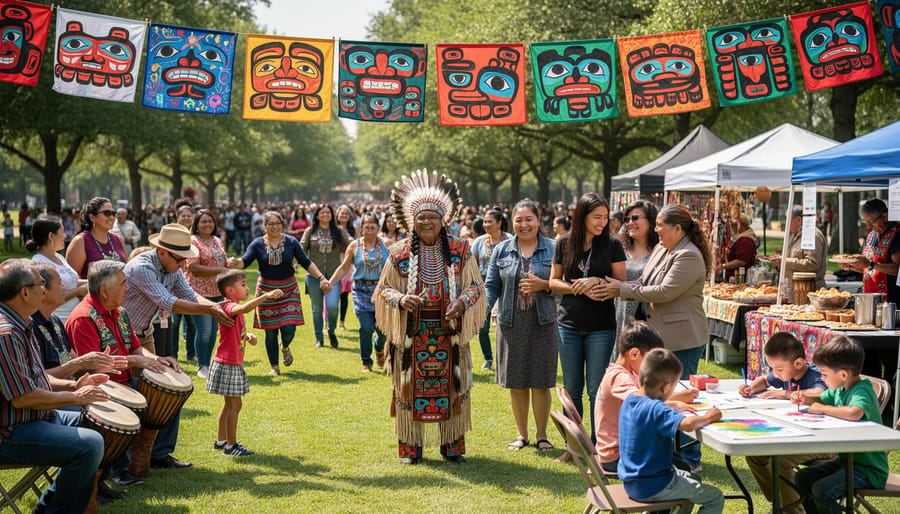
Here in Saskatoon, we’re fortunate to have vibrant Indigenous communities and meaningful ways to participate in local celebrations each June 21. These events offer genuine opportunities to learn, connect, and show respect for the Indigenous peoples whose territory we share. Whether you’re attending powwows at Wanuskewin Heritage Park or participating in downtown festivities, engaging with these celebrations enriches our understanding and strengthens our community.